
Mobile vs. Desktop Blog Layout in 2025

Creating a Responsive Grid: A 2025 Guide for Designers and Developers, digitalanivipractice

Mobile vs. Desktop Blog Layout in 2025

In 2025, user experience (UX) is everything! Whether you’re a lone ranger blogger or the content strategist for a brand. Knowing how your blog or web layout performs on mobile vs desktop isn’t optional; it’s mandatory!

When over 70% of web traffic now comes from mobile devices, your blog’s layout needs to do the heavy lifting for all screens and work effortlessly on them all.

But what are the differences when it comes to a layout between mobile and desktop? How can we optimize both a mobile and desktop layout to keep readers engaged, and drive down bounces while boosting blog traffic? In this post, we will compare mobile vs desktop blog layouts for you, as well as provide actionable tips for improving both. Let’s get started.

Mobile-First Browsing is Here

For most of the early 2010s, a majority of blog readers used desktop devices. Fast forward to 2025, and it is the new norm for readers to browse on mobile devices first. Google made a mobile-first consideration to indexing and ranking sites, officially meaning Google was indexing the mobile version of your blog. You are losing blog readers, engagement, and some SEO juice if you are only creating a big-screen version of your blog because it looks broken or messy when viewed on mobile.

🖥️ Desktop Blog Layout: Pros & Cons

✅ Benefits of Desktop Layouts:
  • More space on the screen: Desktop allows for multi-columns, sidebars, and widgets.
  • Higher ability to engage with long-form content: Some users still prefer the experience of reading long articles on larger screens.
  • Easier to navigate: The more menus, dropdowns, and search features are much easier to access.
❌ Drawbacks of Desktop Layouts:
  • Share of traffic is lower: In many niches, mobile readership now takes up the majority of traffic.
  • It can look cluttered: With more space, you can easily create a bloated page that distracts from messages and calls-to-action.
  • Not for people on the go: The way people consume content is increasingly skimming and scrolling.

📱 Mobile Blog Layout – Advantages & Disadvantages

✅ Advantages of a Mobile Layout:
  • Traffic potential: Readers are primarily mobile-first.
  • Clean experience: A minimalist design keeps the reader’s attention focused on the content.
  • Scroll: Mobile readers prefer quick, fluid scrolling.
❌ Disadvantages of Mobile Layouts:
  • Less space: Less real estate for sidebars, large banners, or rich media.
  • Typography: Fonts and line spacing have to be perfectly optimized.
  • Navigation is harder: Small screens require simple and accessible menus.

Mobile and Desktop Layout: UX Differences

Aspect Mobile LayoutUsually present in the house, widgets, or CTAs
Screen Size SmallVertical for touch interaction, large horizontal for mouse interaction
Navigation Hamburger menusSticky headers, full menus, dropdowns, and visible navigation.
SidebarsUsually, it is removed or moved to the bottomUsually present in the house, widgets or CTAs
ReadabilitySmall paragraphs, larger font sizeNot as restrictive with content display
Page Speed needs to be fast More flexibility
Call-to-Actions (CTAs) Thumb-friendly and minimalCan have more detail, or can be more visual
Ad Placement Limited options More ad units can be used

Why You Should Start With Mobile Design First.

Mobile-first design means you design your layout for mobile first instead of starting with the desktop version, and here’s why it’s a good idea:

  • Google pays attention to mobile versions first in search ranking.
  • Mobile-first keeps your content cleaner, and there’s less distraction.
  • Most users find blogs through mobile-first platforms (Instagram, Twitter, etc.)

📌 Pro Tip: Check your blog’s mobile performance using tools like Google’s Mobile-Friendly Test.

✅ Mobile Blog Layout Best Practices in 2025

  • Use a responsive theme – If your blog is responsive, your theme will automatically adjust for screen size.
  • Optimize your font sizes – Font size should start at a minimum of 16px for body text on mobile; this will help you keep your text readable.
  • Simplify your navigation – You can replace your navigation with a hamburger icon and collapsible sections.
  • Make your buttons and links thumb-friendly – Make sure your tappable area is at least 44px by 44px.
  • Include sticky calls-to-action (CTAs) and share buttons – Easy access without overwhelming the reader.
  • Compress images – Use WebP format for better performance and lazy-load images to help with load speed.
  • Avoid hard-to-dismiss pop-ups – Google penalizes mobile sites if they have a pop-up that is hard to dismiss.

Desktop Design Still Matters – Here’s How

Even with mobile trendsetting the technology landscape, desktop design and layout still play a role for:

  • Business readers or professionals on workstations,
  • Long-form content, content guides, and content tutorials.
  • Email sign-ups and widgets in sidebars.

Make the desktop version of your blog the best it can be:

  • Use multi-column grids to display content visually.
  • Keep sidebars as clean as possible and with a purpose (e.g., opt-ins for newsletter, popular content, etc).
  • Utilize whitespace so that our reader does not become visually fatigued.
  • Consider adding interactive content like carousels, image sliders, or embedded charts.

💡 UX Design Recommendations to Consolidate the Two Layouts

  • Responsive Designs: Use media queries in CSS or responsive classes in frameworks such as Bootstrap or Tailwind CSS.
  • Brand Consistency: Ensure the fonts, colours, and imagery are the same on every device.
  • Cross-Device Testing: Test on multiple devices using BrowserStack or Chrome Dev Tools.
  • Consider Mobile Performance: You can find many mobile usability and performance-related issues in Google PageSpeed Insights.
  • Design Touch-First Interactions: Designing touch screen interactions means considering intuitive gestures and clear tap areas.

🔍 Blog Having Different Layouts and Its SEO Implications

Search engines such as Google factor in mobile functionality and performance. For this reason, a blog with a poor mobile layout could potentially have:

  • Lower visibility in search results.
  • Higher bounce rates
  • Slower indexing and crawling
To improve your SEO:
  • Mobile optimized titles and meta descriptions.
  • Ensure schema markup functions on mobile pages.
  • Ensure internal links are click able and easy to follow on both devices.

Conclusion:

Optimize for Both — and Mobile First In our multi-device world, you need to create a seamless UX and experience for your blog for mobile and desktop. But if you have limited time and resources, do not worry about desktop. Focus on creating a mobile experience because, that’s where your traffic is coming from. That’s also where Google is noticing.

With just understanding a few key differences in mobile vs. desktop layouts, and a few UX best practices, you can:

  • Increase dwell time
  • Reduce bounce rates
  • Increase conversions
  • Increase organic traffic

Frequently Ask Questation

What is the main difference between mobile and desktop blog layouts in 2025?

The big difference is responsiveness and user intent. Mobile layouts emphasize vertical scrolling, taps, and bite-size pieces of information. In comparison, desktop layouts use more design space for multi-column layouts, larger images, and user-reading depth

Why should I design my blog differently for mobile and desktop users?

Because users behave differently on each device. Mobile users tend to want quick information they can access while on the go. Desktop users are more likely to be engaged in methodical research or reading. Your blog experience should fit the user experience so that your blog boosted engagement, decreased bounce rate, and improved SEO.

How is SEO different for mobile and desktop blog layouts?

Google is smartphone and mobile first indexing, which means your mobile blog layout will impact your overall search ranking. Fast loading pages, clean mobile designs, and proper heading hierarchy will be needed for SEO success in 2025

What are some best practices for mobile blog layout in 2025?

Fast loading pages, large fonts, collapsible menus, sticky CTAs, image optimization, and short paragraphs are examples of mobile best practices. Use a strong thumb-friendly design and minimalism to promote uninterrupted reading

In what ways do new modern tools assist in managing responsive blog layouts?

Now, tools such as Figma, Webflow and WordPress block editors provide strong responsive features. You can preview the changes you made to your blog layouts across various screen sizes. With these modern resources, responsiveness is less of a process, and more consistent and better performing websites can be setup across devices.
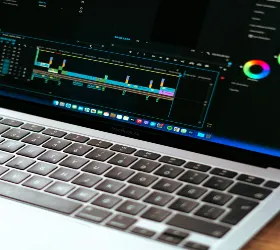

Video Editing for Bloggers: A 2025 Game Changer

Video Editing for Bloggers, digitalanivipracticeb

Video Editing for Bloggers: A 2025 Game Changer

As the gear-changing world of content careens forward, it’s more than just ‘nice to have’ to stand out. It’s mandatory. Video content has become the star of the show, and whether you’re a fashion blogger, tech reviewer, foodie, or lifestyle content creator, adding video editing to your skill set is a game-changer. If you leap to learn how to video edit, the possibilities for your brand, the attention of your audience, and for your blog, can take off – for 2025, at least

Reasons Bloggers Must Consider Video Editing.

Internet content is evolving from a predominantly static environment to a predominantly dynamic environment. While text and images once sufficed in delivering a great user experience, users now expect video-rich content. Now, more than ever, dynamic content takes precedence in attracting and retaining an audience. Platforms such as YouTube, Instagram Reels, TikTok, and even in some cases blog hosting platforms are now putting video-focused content at the forefront. Here is why bloggers and the blogosphere in general should adopt video editing:

  • Increased Engagement: Video helps keep visitors on the page longer and encourages interaction.
  • Better Search Engine Optimization: Google loves content with embedded video. Blogs with videos embedded tend to rank higher.
  • Increased Growth Potential: Short-form video on different media platforms helps with discoverability.
  • Increased Intent to Convert: E.g., Potential buyers are more likely to take action or convert if they are influenced through a video format of product reviews or video tutorials.

What Is Video Editing?

Simply put, video editing is the act of manipulating and organizing video shots to structure a final video component. For bloggers, this is the process of taking video footage—whether you are capturing behind-the-scenes footage, tutorials, or product reviews—and turning it into a compelling, amazing, and visually pleasing to an audience.

Key Aspects Related to Video Editing for Bloggers.
  • Trimming & Cutting: Get rid of shots you do not need to keep content rapid.
  • Transitions: Move from one scene to another with fades, cuts, and swipes.
  • Text Overlays: Add blog titles, subheadings, product names, etc., to reinforce your concepts.
  • Background Music & Voiceovers: Set the tone of video clips or clarify content provided to your audience.
  • Branding: Use introductory logos, outgoing logos, watermarks, etc., to maintain brand continuity.
  • Captions & subtitles: to help with making the content more accessible and retaining attention.
The Importance of Video Editing for Blogging

Editing should not be confused with design. Editing is about communication and connection. Proper editing can put the focus on your most important details, keep your viewer engaged, and lead your viewer toward a desired action, whether that be to sign up for a newsletter, share your blog, or buy a product.

Examples of Use-Cases:
  • Fashion Blog: edited lookbooks, try-on-hauls, and seasonal (outfit) guides.
  • Technology Blog: edited unboxings, side-by-side comparisons, or review videos of cool tech gadgets.
  • Food Blog: edited pictures of recipes, cooking tutorials, or meal-prep guides.
  • Travel Blog: Tell visual stories of locations with stylish b-roll and voiceovers.

Video Editing Tools for Bloggers in 2025

Whether you’re new to video editing or you’re looking to up your game, there is a tool for every purpose and skill level.

For Beginners:
  • Canva Video Editor
  • InShot (Mobile)
  • CapCut
  • Adobe Express
For Intermediate to Advanced:

These tools can give you templates, transition options, color correction, audio syncing, and even have AI features like auto-captions and noise reduction.

Ninja Tips to Make Your Blog Videos More Engaging

  • Start with a Hook: Grab your audience’s attention right at the start (5 seconds is all you need to hook them).
  • Keep It Short & Sweet: Avoid the fluff; get to the point.
  • Use B-Roll: Layer additional footage on top of your primary video to add depth and dimension.
  • Add Calls-to-Action (CTAs): Let your viewers know what they should do after watching your video (subscribe, comment, or go to my blog).
  • Stick with Your Brand: Use the same fonts, colors, and styles in your blog posts & videos.

How Video Editing Can Improve Blog SEO

Adding a quality video edit to your blog post can:

  • Lower Bounce Rate: Readers stay longer, which reduces your bounce rate.
  • Increased Dwell Time: Higher engagement lets search engines know your content has value.
  • Backlinks: Video content is more likely to be shared and referred to by others.
  • Optimizing for Rich Snippets: Video in your blog post can be in the Google video carousel.

Repurposing Blog Content as Video.

One of the biggest benefits of video in blogging is that you can repurpose blog content. You can create a video summary or tuto­rial of your blog post, and distribute across YouTube, Instagram, and LinkedIn, bringing new traffic back to your blog.

Video Content Monetization as a Blogger

Video editing is not only a valuable tech skill – it is also a powerful storytelling capability that opens new doors for you to earn revenue:

  • YouTube Monetization
  • Sponsored Video Content
  • Affiliate Marketing and Video Reviews
  • Video Courses / Digital Products

Wrapping it Up

Video editing – is, and has been marketed as, a technical skill—an editing tool for storytelling—and in 2025 it is no longer an optional and add-on skill-set for bloggers who want to attract an audience, grow in ranking value on Google, and have a differentiating brand, they have to embrace this skill-set.

With the basic skills of editing, easy-to-use tools, and an audience in mind, you will be able to bolster your blog as a multimedia entity. Whether you have just started or have an audience, it is time for you to embrace the video! Edit smart and upload consistently, and watch your blog become an important part of the multimedia mix.

Frequently Asked Questions

What is the importance of video editing for bloggers in 2025?

As a blogger in 2025, audiences expect immersive and dynamic content. Video editing gives bloggers the ability to produce high-quality, well-edited videos that engage readers, enhance storytelling, and keep viewers engaged longer.


What tools are best for bloggers who are just getting started with video editing in 2025?

There are many beginner-friendly tools like CapCut, Filmora, Canva Video Editor, and Clipchamp that are popular in 2025 because they are easy to use, come with templates, and have lots of cool and unique AI features. For the more advanced users, there are premier-level tools like Adobe Premiere Pro, Final Cut Pro, and DaVinci Resolve, which allow for the most control and effects possible


How can video editing increase blog traffic/SEO?

Using embedded videos can increase your dwell time and decrease your bounce rates, two important SEO signals. Optimized videos that also contain captions, transcripts, and either a title or description that uses your keywords can help Google index and have more content to show for your blog, and for the users of YouTube who search for videos themselves


What kind of video content should bloggers use?

In 2025, bloggers get the most value from tutorial videos, product reviews, storytelling, behind-the-scenes content, short-form reels, and how-to videos or explainers. Bloggers can also take their blog posts and transform them into engaging videos that the blogger can now publish and reach additional platforms like Instagram, YouTube Shorts, and TikTok


Do bloggers need professional equipment to edit videos?

Not at all! Most of the tools for video editing in 2025 are cloud-based and mobile application-based. If you have a smartphone that you’re already using, for less than 20 dollars on Amazon you can purchase a ring light or even better, use one that you already have; your smartphone can also shoot in 4k; and if you have access to a microphone that is compatible with your smartphone, you can completely create and edit video on the fly without making a huge financial investment in hardware and equipment.

Use Video in 2025: Boost Engagement and Grow Your Audience

YouTube Script Writing (2025) , digitalaivipracticeb

Use Video in 2025: Boost Engagement and Grow Your Audience

More and more, the digital world is changing at breakneck speed in 2025, and video is the front-runner in this shift. From short-form clips to full-fledged tutorials, video content has become a staple for bloggers trying to build their audience, improve search engine optimization (SEO), and ultimately drive conversions. For those bloggers who are still just publishing words (and images) on their blog, it’s time to take things up a notch! This article will expound on why video content is a must-have for blogs in 2025 and how you can begin leveraging it today to attract traffic, shares, and subscribers.

1. 📹 Video Content Increases User Engagement

Today’s readers want their content quickly – and in a visually-rich package. Studies show that video can increase the time spent on a page by up to 88%. That’s a lot!

When you embed videos into your blog:

Readers stay longer on the page. They are more likely to scroll and engage. You reduce your bounce rate (good for SEO!)

Example: A fashion blogger who includes videos from her “Get Ready With Me” posts gets more comments and shares on social media than a blogger who simply posts with photos and text.

💡 Tip: Use short-form videos (30–90 seconds long) as a complete introduction to your post, or as a summary to excite the reader about your content.

2. 📹 Video Establishes Trust and Creates Personal Relationships.

In 2025, authenticity is everything. Video makes your blog more human by adding your face, voice, and personality, which helps build trust, particularly with new visitors.

Whether you are demonstrating a DIY project, reviewing a product, or sharing a personal story, video removes the distance between you and your audience.

🔥 Bonus: Video reinforces your call to action; saying “subscribe to my newsletter!” on video is more powerful and convincing than just writing it.

3. 🌐 Video Is Great for Multi-Platform Sharing.

One video = unlimited options. You can repurpose one blog video on:

  • Instagram Reels
  • YouTube Shorts
  • Tik Tok
  • Facebook
  • LinkedIn
  • Pinterest Video Pins

This creates awareness and drives additional traffic back to your blog.

✨ Tip: Use vertical formats (9:16) for mobile-first platforms (Instagram and TikTok) as well as horizontal (16:9) for YouTube or like an embed in your blog video.

4 📹 People Remember Video Better.

When viewers watch a video, they retain 95% of a message. If they read it, they remember 10%. If you’re teaching, selling, or storytelling, video is your best option.

If you’d like your brand and message to stick, start using simple how-to or explainer videos in your posts.

5. 💰 Video Drives Conversion and Email Sign-Ups

Bloggers who include videos on their landing pages or blog posts boost conversion rates by up to 80%.

You can add:
  • A welcome video at the top of your blog.
  • A 1-minute video pitching whatever freebie or lead magnet you have.
  • Testimonials in video format.
  • An email sign-up after the embedded video.

👉 Action Step: End your video with a strong CTA like: “Enjoyed this? Download my free checklist below!”

6. 🎥 Tools to Get Started Making Video in 2025 (No Experience Needed)

You can create stunning video content in 2025 without expensive equipment or editing skills! Here are the tools that will help:

Tool: What it does
  • Canva Video Editor: Use simple drag-and-drop to create intros & tutorials
  • InVideo: Make AI-powered videos from text.
  • CapCut: A completely free mobile video editor for making Reels and Shorts.
  • Descript Edit a video just like you would a Word document.
  • Lumen5: Turns blog articles into short videos.
  • Pictory: Makes quick, interesting video clips from summaries of blog content

7. Video Ideas for Your Blog

Looking for ideas? Here are some video ideas for blog content:

  • How-to: show step-by-step a recipe, craft, or process.
  • Vlog: a behind-the-scenes or “a day in the life.”
  • Explainers: explain complex topics visually.
  • Product Demos: Demonstrate a product in action if you are an affiliate blogger.
  • Q&A Sessions: Answer your readers’ questions in a personal way.

You can be a good example with a mobile phone, a basic ring light, and a mic.

8. 🚀 How to Start Making Videos on Your Blog (Beginner Plan)

If you’re just starting on video, start small – Simple.

Week 1–2:

  • Select 1 blog post to convert to video
  • Using Canva or Lumen5 (30–60 sec)
  • Embed the video at the top of the post.

Week 3–4:

  • Record a welcome video for your blog.
  • Make a 1-minute CTA video about your lead magnet.
  • Distribute your video through YouTube Shorts, Instagram, and Pinterest.

Monthly:

  • Repurpose the top 3 blog posts as a video summary.
  • Look at results (views, shares, bounce rate)

Final Thoughts: Stay on the Cutting Edge

Text will forever have value, but in 2025, video is leading the way for blogging. With attention spans declining and competition increasing, video sets you apart and allows you to leverage a dynamic medium.

You’re not just getting up to speed by having a video in your blog; you’re getting ahead of the curve.

Get started small and be consistent, and let your blog be the vehicle for your audience.

Frequently Ask Questation

Why does video content matter for bloggers in 2025?

Video amplifies audience engagement, improves SEO, and increases the amount of time spent on your blog. With short attention spans and mobile-first consumption habits, video becomes a key way for bloggers to connect with their readers more quickly and efficiently.


What kinds of videos work best for blogs?

Explainer videos, tutorials, behind-the-scenes vlogs, product reviews/demos, or slug posts that concisely summarize the blog post perform the best. Those videos add value to the content, build reader retention, and are easily repurposed for social media.


Do I need professional equipment to make videos?

No. In 2025, you can make high-quality videos with your smartphone, free video editing services such as CapCut or Canva, and basic lighting. AI tools, such as Lumen5 and Pictory, can easily convert your blogs into videos with no filming required.


Will videos improve the SEO of my blog?

Absolutely. The search engines now prioritize video content. Embedding videos (even just one) will increase your dwell time, lower your bounce rate, and increase your chances of getting your blog post to appear in video search results.


How can I get more subscribers from video?

Always end each video with a compelling call to action (CTA). Invite the users to subscribe, download a freebie, or join your newsletter. CTAs in video form are more personable, and you will see far better conversion rates.

Title: Zero UI: The Future of Interaction Without Screens

Title: Zero UI

Title: Zero UI: The Future of Interaction Without Screens

Introduction

Picture a world where you don’t need to tap, swipe, or click. A world where your devices don’t need a screen to assist you. We are now in the era of Zero UI, a concept that changes how humans and computers interact. With voice commands, gestures, AI, and ambient computing, Zero UI is changing the user experience landscape to be more seamless and intuitive. In this blog, we will discuss Zero UI, why it’s important, how it’s influencing design, case studies of using Zero UI concepts, and what it means for designers and developers.

What is Zero UI?

Zero UI (Zero User Interface) represents a design interaction that transcends screens and traditional graphical user interfaces. Rather than rely on buttons or visual components, zero User Interface utilizes voice, gestures, facial recognition, sensors, artificial intelligence (AI), and context-aware data to help create a frictionless experience.

The term Zero User Interface was first coined by Andy Goodman at Fjord and captures the idea that the most effective interface may be no interface at all. Devices and systems that follow zero UI principles do the least to understand the user’s need or intention, with minimal explicit input.

Main Aspects of Zero UI

  • Voice Interfaces: Think of devices that can receive vocal input and respond with intelligence at the forefront. Similarly to how Alexa, Siri, and Google Assistant allow users to simply speak a command.
  • Gestural Interactions: Motion-based inputs like hand gestures or body movements to command devices (e.g., smart TVs, gaming consoles)
  • Ambient Interfaces: Sensors and IoT devices that respond depending on contextual or environmental information
  • AI and Predictive Technology: Systems will learn user behavior and can then automate or suggest actions and recommendations without users’ manual input
  • Haptic Feedback: Non-touch tactile input/responses so that users receive a tactile touchless signal for responding or directing
Why Zero UI Will Be Important in 2025.

With the advances in AI, augmented/virtual reality (AR/VR) technology, and smart devices in 2025, users will seek intuitive, fast, and hands-free experiences. Zero UI will help as follows:

  • Faster: Faster to complete actions successfully. No need for sequences of normal navigation. Inclusive.
  • Design: Zero UI ends up working well for people with disabilities or those who have issues with advanced technology.
  • Natural Experience: Conforms to human interaction, making things work with little chance of learning and frustration.
  • Future-Proofing: As technology advances, the screen-based interface will seem more and more limiting. Zero UI enables scalability.
Practical Examples of Zero UI
  • Smart Homes: Voice-activated appliances, thermostats, and lighting.
  • Healthcare: Wearables that inform caregivers using biometric signals.
  • Automotive: Voice assistants and gesture interfaces link you to the dashboard.
  • Retail: Smart mirrors and in-store AI-driven assistants.
  • Workspaces: Meeting rooms that automatically adjust the lighting/audio based on occupancy detection.
Issues Facing Zero UI Design
  • Privacy Issues – Having always-listening devices raises data security concerns.
  • Contextual Awareness – Mistaking user intent may result in errors.
  • No Visual Feedback – Users may require confirmation without a screen to look at.
  • Technical Deficiencies – Require advanced AI and hardware
Zero UI Design Best Practices
  • Design for Context: Know how and where the user will interact.
  • Feedback is Always Important: Ensure that the design uses either audio, haptic, or visual signals to communicate that an action has been completed.
  • Make Accessibility a Priority: Test with various users.
  • Be Transparent: Let the user know when and how you will collect their data.
  • Test Continuously: For Zero UI design, test with real-life scenarios to limit friction.
How Designers Should Be Preparing for Zero UI
  • Learn how to do conversational UX and voice interface design.
  • Get more familiar with AI, machine learning, and natural language processing.
  • Work with hardware developers and AI engineers.
  • Try and shift thinking from layout to user intent and behavior.
  • Keep abreast of ambient tech advances and new tools.

Conclusion

Zero UI is not simply a trend — it is the next frontier of human-computer interaction. As we move forward in a screenless future, UX/UI designers will have to rethink the foundations of interaction design. By thinking like a Zero UI designer today, you are doing more than securing the future of your work. You are also helping to shape smarter, more intuitive, and more human-centered technology.

The time has come to design for a world where the interface no longer exists, and the experience takes priority.

Frequently Ask Questations

What is Zero UI?

Zero UI is defined as interfaces that use natural interactions, without the use of any screens or graphical user interface (GUI). This covers the use of voice, gestures, movement, and environment.


How does Zero UI work?

Zero UI uses technologies such as AI, voice recognition, motion sensors, and machine learning to study human behavior, then respond to that human behavior without screens or touches


Why is Zero UI thought of as the future of interaction?

Zero UI enables us to interact with technology in a more natural, seamless, and human way when we become accustomed to more smart devices, wearables, and ambient computing in our daily activities.

AI in UX Design: Transforming User Experience

Using AI Strategies in Figma: A Guide for UX/UI Designers

AI in UX Design: Transforming User Experience

1st, we will understand what AI UX ( User Experience)

AI UX (Artificial Intelligence User Experience) is the terminology used to describe the user experience design of products or systems. That includes artificial intelligence, which combines regular UX design methodologies and processes and incorporates the behavior and characteristics of the AI process.

What is AI UX ( User Experience)

Artificial Intelligence (AI) is changing the UX design world in a fast-paced digital context. With automation, personalization, and data analysis. It is giving designers the tools they need to create interfaces that are much more intuitive and efficient. This article examines how AI is transforming UX design and why designers need to recognize and embrace this transformation

Key Characteristics of AI UX:
User-Focused AI
  • It should adjust to users, not the reverse. Designers support that an AI should add to or help the human task, not hinder it.
Transparency & Trust
  • It makes many decisions for users (e.g., recommendations, automation). So the design must indicate what the AI does and why for decision making and trust.
Personalization
  • AI can deliver bespoke content/content handling/content layouts/experiences for individual users. UX designers deliver interfaces that react to user behaviors in real-time.
Feedback Loops
  • Users should be able to provide feedback to the AI. Correcting a recommendation or a preference change, for learning and improvement of the system.
Error States & Expectations
  • Systems will never be perfect for what they do, and therefore, UX design will consider rich error messaging or fallback strategies, and realistic expectations of the user.
For example:
  • Spotify makes music recommendations based on your use.
  • ChatGPT adjusts tone and responses based on your prompt.
  • Smart assistants like Siri and Alexa understand voice-based commands.

To sum it up, AI UX is about getting intelligent systems into the hands of real people in a way that is understandable, usable, and trustworthy.

AI in UX Design: Revolutionizing the Future of User Experience

The digital landscape is continuously evolving, and as technology progresses. Artificial Intelligence (AI) is revolutionizing User Experience (UX) design. AI helps designers leverage automation, enhance personalization, and provide real-time data-driven insights, enabling designers to create intuitive and more efficient user interfaces. This article will discuss how AI is changing UX design and why designers should explore the change.

Speeding Up Design Workflow

AI tools are creating efficiencies in different parts of the UX design workflow:

  • Automated Prototyping – Programs like Figma have added AI tools to make prototyping happen faster, saving designers time from the idea stage to the testing stage.
  • Automated Copy and Content – AI can help with generating placeholder text, images, and other content, allowing designers to put the majority of their focus on layout and functionality.
  • Automated Design Suggestions – AI can analyze user behavior and make suggestions to improve designs, making them more usable and more satisfying for users.
Increasing Personalization

Personalized experiences are essential when it comes to engaging users. It can enable personalization through.

  • Behavior Analysis: AI monitors user interaction and can serve content & interface elements that suit an individual.
  • Predictive Design: By predicting user needs. AI can help design an interface that accommodates user preferences dynamically, improving the overall user journey
Data-Driven Decision Making

With the help of artificial intelligence, designers can develop useful insights:

  • User Testing: AI-driven software can create test-user scenarios to uncover potential roadblocks before launching the product.
  • Analytics Integration: AI applications integrate with analytical platforms, evaluating user engagement and notifying designers in real-time, which may allow them to enhance their design during a process of negotiated improvement.
Challenges and Considerations

Even though AI offers opportunities for designers, designers need to be conscientious about:

  • Ethical Considerations: In addition to valuable analysis. It is important to ensure that AI-driven designs are ethically sound, use of user data, and do not produce biased outcomes.
  • Over Reliance on Automation: A designer should be cautious that reliance on AI must be balanced with human creativity to preserve originality and empathy when designing.

Augmented Reality (A.R.) and Virtual Reality (V.R.): AI will be a core part of creating experiences in A.R. and V.R.

Conclusion:

It will not replace UX designers; it will extend their design process. Indeed, AI will enable UX designers to become more efficient, deliver more personalized insights and experiences, and rely on data-driven processes. As technology develops, the future of user experience design will be defined by the relationship between artificial intelligence and human creativity. AI in UX Design: Transforming User Experience

https://digitalanivipracticeb.com/12-elements-of-design-2025-elevating-visual-communication/

Frequently Ask Questations

What is AI UX?

AI UX (user experience when artificial intelligence is involved) means that user experiences in products with artificial intelligence have been designed considering. How AI will impact user experience. AI UX must be intuitive, user-centered, and trustworthy.

What is the difference between AI UX and traditional UX?

Unlike traditional UX, designers must deal with unexpected results, learning behavior, and decision-making processes inherent to artificial intelligence. Designers must also deal with how the system evolves and how they communicate the intelligence’s rationale to users

Why is transparency a core concept when designing AI UX?

Transparency is critical to building trust. Once users understand how and why decisions are made, they are more likely to engage with a product or service and trust in its reliability. Designers use explanations, confidence scores, or visuals throughout AI UX to clarify AI behavior.

How does AI UX enable personalization?

AI can analyze a user’s preferences or behaviors over time, and as a result. AI can alter content, layout, and functionality to personalize the experience for users. AI UX design must ensure this personalization is seen as useful and not intrusive or alienating, and that users have overall control over their data and other relevant settings

What are the challenges when designing user experiences for AI UX?

The challenges faced when designing user experiences for AI use include managing AI’s unpredictability, determining who or what AI benefits at the user’s expense to avoid bias, ethically using data to gain trust, and managing AI failures and mistakes with fallback systems.

Instagram Video Trends 2025: A Guide to Creating Viral Content

Instagram Video Trends 2025, digitalanivipracticeb

Instagram Video Trends 2025: A Guide to Creating Viral Content

Instagram video content is evolving faster than ever, and 2025 will be the year of AI creativity, cinematic effects, and interactive storytelling. Whether you are an influencer, a content creator, or have a business, you certainly don’t want to miss out on the freshest Instagram video editing trends to amplify your traffic and clicks.

In the blog, we will discuss the hottest Instagram video editing trends of 2025 and proven techniques to make your videos viral!

New Edit for Instagram Video Edit 2025

1. AI for Video Editing

Artificial Intelligence is a game changer because video editing has been made simpler! With AI, you can:

  • Auto-edit and sync videos with music.
  • Provide autogenerated captions.
  • Color and light enhancing with a bolt.
  • Remove objects or backgrounds with a hit.

Best AI Tools: Runway ML, CapCut AI, Magisto.

👉 Pro Tip: Use AI-based auto-editing to save time and create quality videos in seconds!

2. Cinematic Storytelling Within 4K & Ultra-Wide Aspect Ratios

Though vertical (9:16) videos are the dominating type of videos on Instagram Reels, now it is the trend for creators to produce 4K cinematic videos (21:9). These provide a film-like ambiance while improving engagement.

How to Do It:

  • Use widescreen matte for a cinematic feel
  • Shoot in 4K resolution for razor-sharp detail
  • Use cinematic LUTS for Hollywood-style color grading

Best Apps: Adobe Premiere Rush, VN Editor, DaVinci Resolve

👉 Pro Tip: Mix vertical (9:16) with ultra-wide (21:9) shots to have a fantastic dynamic video.

3. Speed Ramping & Motion Effects

Indeed, dynamic motion effects could elevate the boldness and professionalism of video editing. The shape of 2025 will be made up of some of the trendiest effects:

  • Speed ramping (rings of speed moving smoothly from slow to fast)
  • 3D zoom (an AI zooming effect)
  • Parallax motion (moving backgrounds)

Some of the best include: CapCut, Filmora, After Effects

👉 Pro Tip: Use speed ramping to create a big build-up in those short-form videos.

4. AI-Generated Captions & Subtitles

    Text-heavy videos are trending these days with AI-generated captions on Instagram in multiple languages, making your content more accessible and engaging.

    Best AI Captioning Tools: VEED.io, Descript, IG Auto Captions

    👉 Pro Tip: Use bold, animated captions to give extra emphasis to key points and keep the viewer’s attention.

    5. Augmented Reality (AR) Filters & Effects

      AR filters add life to videos through the use of 3D effects, virtual makeup, and animations. Custom filters can be made via IG’s Spark AR Studio.

      Check for many AR effects trending in 2025:

      Best AR Tools: Spark AR, Face AR Studio, Banuba

      👉 Pro Tip: Focus on using interactive augmented-reality effects to increase engagement and give your video a leg up.

      6. AI Music Sync and Auto-Generated Sounding Effects

      Instagram users now enjoy AI music suggestions that perfectly fit into their clips. Background music and sound effects can be generated by AI based on the mood of the video.

      Best AI Audio Tools: Soundraw, LALAL.AI, Beatoven.ai

      👉 Pro tip: Use AI-generated beats to keep all your clips sounding fresh and interesting.

      7. Short, Looping, and Fast-Paced Videos

      The shorter, the better! In 2025, videos shorter than 10 seconds generate the most engagement. Looping videos (those that end and begin seamlessly) keep viewers engaged longer.

      Best Editing Techniques:

      • Fast cuts that don’t stop
      • Looping transitions for seamless replays
      • Text overlays to highlight the key messages

      👉 Pro tip: Make them between 6 and 15 seconds for the best engagement and the best algorithm ranking on Instagram.

      Best Video Editing Tools for Instagram in 2025

      Here are just some of the best AI video editors for Instagram content creators:

      • CapCut AI – Auto editing, motion effects, 3D zoom
      • VN Editor – Advanced cinematic color grading
      • Runway ML– AI object removal & background editing
      • Adobe Premiere Rush – Pro-level mobile editing
      • LumaFusion – Quality 4K video editing

      🚀Pro Tips to Making Instagram Videos Go Viral in 2025

      • Use AI auto-editing: Get tedious editing jobs done for you by AI.
      • Hook viewers in 3 seconds: Start with bold text, fast motion, or cool effect.
      • Follow trends & hashtags: Use Instagram’s trending filters, effects, and music.
      • Optimize for Reels & Stories: Short videos (6-15 seconds) are the best.
      • Add engaging captions & subtitles: Most of the users watch videos without sound!

      🎬 Conclusion: How to Use Instagram to Go Viral in 2025!

      To be at the forefront of video editing for Instagram in 2025, consider using AI automation, cinematic effects, motion transitions, and Instagram interactive elements. The Instagram algorithm favors engaging short-form videos, so ensure your content is visually dynamic and sped up.

      🔥 So ready to go viral on Instagram? Test out these editing tricks, and let us know your favorite trend! 👉 What Instagram video editing trend are you most excited about? Comment below

      Frequently Ask Questions

      What Instagram video trends are going to grow in 2025?

      The latest trends tend to be AI-powered video editing, cinematic storytelling, short-format looping videos, 3D motion effects, and AR filters. Fast-paced, engaging content works better


      How does AI assist in editing Instagram videos?

      AI edits automation allows you to auto-cut clips, change colors, sync music, remove objects, and create captions. The recent AI tools include CapCut, Runway ML, and VN Editor which facilitate editing.


      What is the best format for Instagram videos expected to be in 2025?

      Instagram Reels: Vertical (9:16) – Best for viral engagement
      Cinematic Videos: Ultra-wide (21:9) – Gives it a professional touch
      Square (1:1): Great for feed posts & cross-platform sharing


      What apps are going to rock video editing for Instagram in 2025?

      CapCut AI-fastest possible editing using AI
      VN Editor– Great for cinematic storytelling
      Runway ML-AI to delete objects/edit the background.
      Adobe Premiere Rush- for mobile, pro-level editing.
      LumaFusion- Professional quality 4K editing.

      Mastering Video Editing in 2025: A Step-by-Step Guide

      Mastering Video Editing: digitalanivipractice

      Mastering Video Editing in 2025: A Step-by-Step Guide

      Video editing will be an exciting and essential skill for creators, marketers, and professionals in 2025. With videos dominating nearly every platform YouTube through Instagram to TikTok and even corporate presentations, the demand for skilled video editors is skyrocketing. Whether you seek a career in video editing or want to improve content creation, use this guide to learn video editing successfully in 2025.

      Why Should You Learn Video Editing in 2025?

      An Exploding Video Content Industry: Platforms like YouTube, TikTok, and Twitch thrive on video content.

      Hence, video editing is the skill to succeed.

      • Job Market: Businesses and individuals always look for editors who can provide high-quality video content.
      • Creators: Video editing will empower you to tell your story better, connect with your audience, and make it look more professional.
      • AI: With the help of modern-day Artificial Intelligence, video editing would become much faster and easier than ever.

      Beginner’s Guide to Video Editing

      Start by learning the basics of video editing using the principles below.

      • Cutting and Trimming: Learn how to remove unnecessary scenes from your video.
      • Transitions: Learn how scene changes can be made smooth.
      • Synced Audio: Play the audio to synchronize it with the video.
      • Color Correction: Adjust the color and balance-of-saturation settings to make your videos attractive to the eye.
      • Story-Telling: Make sure you know how to arrange clips to develop a story.

      Step 2: Take Your Pick From The Right Software

      There is a multitude of software out there in 2025 for video editing, catering to every level of experience. Let’s take a look at what you can get into:

      Beginners:
      • iMovie (Mac): User-friendly and deals with simple cuts.
      • CapCut: Most renowned for TikTok and short-form video editing.
      • Filmora: Good for first-time users, with simple features and templates.
      For Intermediate Users:
      • Adobe Premiere Elements: Affordable with basic features.
      • Final Cut Pro: To be used by YouTube creators and those who reside in its prosumer space.
      • DaVinci Resolve: High-end color correction with basic editing tools.
      For Professionals:
      • Adobe Premiere Pro: The industry standard for video editing.
      • DaVinci Resolve Studio: For high-end color grading and video editing.
      • Avid Media Composer: Used amongst high-budget movie producers.

      3rd Step: Learn the Basic Functions of Your Chosen Software

      With the editor of choice, now an immense … you’ll need to get comfortable with its interface and functions. You should start with this one, Step two, and so forth:

      • How to Import and Export: In this segment, you will learn how to import raw footage and export an edited version of a video.
      • Movement on the Timeline: It is about where to put the clips and how to move them.
      • Basic Tools: This tool includes the razor (cut tool), one that deletes certain parts of the clip without leaving a space (ripple delete), and some markers.
      • Effects and Filters: You can play around with many video and audio effects.

      4th Step: Discover AI Editing Tools

      By 2025, AI will have entirely changed the video editing industry by taking automated repetitive tasks under its wings. Such tools as Adobe’s Premiere Pro with Sensei AI and Topaz Video AI Enhance can help you with:

      • Auto-cutting-and-transitions.
      • Auto-color-grading footage.
      • Upscaling footage from low resolution to 4K or 8K.
      • Identifying and removing noise from audio background tracks.

      5th Step: Polish Your Skills on Real Projects

      Once you are ready, take up small projects. Here are some ideas for projects:

      • Travel Vlogs: Edit your travel clips into provocative travel videos.
      • Short films: Team up with your friends to create short story-driven films.
      • YouTube videos: Create your YouTube channel and practice continuous editing on it.
      • Instagram Reels/TikTok videos: Tinker with Instagram Reels or TikTok videos.

      6th Step: Learn Advanced Techniques

      Once you are comfortable with the fundamentals, you can then try your hands on more advanced techniques:

      • Motion Graphics: Use After Effects or Motion to add movement effects.
      • Color Grading: Delve into color correction techniques to achieve that cinematic look.
      • Chroma Keying: Learn to work with green screens.
      • Multi-Camera Editing: Synchronize and edit footage shot using multiple cameras.

      7th Step : Stay Abreast of Trends and Tools

      Video editing changes rapidly, so there are many opportunities for you to keep learning:

      • Watch Tutorials: Utilize Vidict to watch tutorials on YouTube Skillshare or LinkedIn Learning.
      • Join Communities: Engage in online forums such as Reddit’s r/editors or video editing groups on Facebook.
      • Experiment: Gain confidence by consistently playing with new effects, instruments, and techniques.

      Create a Portfolio

      In your learning journey, compile all your best works into a good portfolio. It should contain:

      • Different Styles: Vlogs, advertising videos, and creative edits.
      • Before and After Edits: This is to demonstrate your editing skills to potential clients.
      • Highlight Reel: A short video capturing all your best work.

      Monetizing Your Video Editing Skills

      There are numerous ways to make money out of your video editing skills:

      • Freelancing: Offer your services on Upwork, Fiverr, or Behance.
      • Start a YouTube Channel: Start a channel and monetize it.
      • Work for Agencies: Work for a media agency to gain experience.
      • Content Creation: Partner with brands and businesses to create promotional videos.

      Practice and Practice

      Practice is what makes a great video editor. The more you edit, the better you will become. Always try to challenge yourself, exploring new styles and genres and adopting new techniques to broaden your skill set. Mastering Video Editing in 2025: A Step-by-Step Guide

      Conclusion

      In 2025, becoming familiar with video editing has become possible with state-of-the-art equipment, online resources, and AI-driven software. You can be an aspiring filmmaker, run a YouTube channel, or even an amateur; video editing will open countless doors, creative and professional alike. Step out, and begin a journey that will bring your creative imagination into reality!

      Frequently Ask Questions

      What are some beginner-friendly software?

      iMovie, CapCut, and Filmora are probably the best tools to start

      Do I need expensive equipment to learn video editing?

      Not at all. You can learn using basic editing software that you can find on your laptop or smartphone

      How long will it take to learn video editing?

      It shouldn’t take you more than 1-3 months to learn enough basics through constant practice

      What does the future hold for video editing?

      Mainly, AI-based editing and real-time collaboration tools are the ones that will shape the future of video editing for quite some time to come

      Where can I find free resources to learn?

      YouTube, Coursera, and Skillshare are good sources for free learning, though most of the courses will have a free tier.

      Auto Layout in Figma 2025: Enhancing Design Efficiency

      User UX Research Process 2025: Boost Engagement and Traffic. digitalanivipracticeb

      Auto Layout in Figma 2025: Enhancing Design Efficiency

      Auto Layout in Figma has always been a designer’s go-to tool to create responsive and scalable designs. But in 2025, Figma’s Auto Layout received such a fantastic upgrade that the design workflows will transcend to a different level. Advanced features and intelligent automation make Auto Layout a must-have for all modern UI/UX designers. If you want to streamline your design process and enhance the output, explore Auto Layout in Figma 2025.

      What Is Auto Layout in Figma?

      Auto Layout is an amazing feature in Figma that allows designers to create dynamic frames and components that automatically adjust to the content they contain. Whether you work with button cards or an entire layout, Auto Layout makes it easy to create responsive designs that work fluidly between devices and screen sizes. By 2025, Auto Layout will have enhanced flexibility, precision controls, and even AI-powered suggestions to create a user experience that is smarter and more intuitive than ever before.

      Reasons Why Auto Layout Is Important in 2025:

      Same Responsive Designs:

      With an ever-increasing choice of devices in 2025 (foldable screens, AR interfaces, and so forth), creating responsive designs is no longer an option. Auto Layout guarantees that your designs do the right thing at all screen sizes.

      Time-Saving Automation:

      Auto Layout predicts intelligent design adjustments in 2025 and automatically applies consistent spacing, alignment, and hierarchy.

      Easy Collaboration:

      Figma’s new Auto Layout allows teams to work in sync, making sure that every single element in the design is scalable, reusable, and in line with the design system.

      New Features of Auto Layout in Figma 2025

      Powered by AI Suggestions
      • With Figma’s AI, Auto Layout can suggest the best options for the layout, alignment, and space given the intent of the design.
      • For example, while designing a form, Figma could suggest the space between input fields and advise on padding for buttons to keep things tidy.
      Nested Auto Layout Improvements
      • The control in nested Auto Layouts is now limitless. Designers can change the alignment and spacing for every nested layer without disturbing the parent frame for better control.
      Resizing Content Dynamically
      • Dynamic resizing makes it possible for components to grow or shrink according to text length. For instance, buttons can directly resize in width by numbers of text displayed keeping even padding.
      Variable Space
      • Goodbye to equal-spaced confinements! In 2025 Auto Layout introduces variable spacing so that designers can give different spacing for a single side of an element (think more padding on the left than on the right).
      Integration with Design Systems
      • Auto Layout goes hand in hand with Figma’s newer design systems, and this allows users to apply the same styling. Auto Layout settings can now be synced with your design tokens, giving you one seamless workflow.
      In-Process Device Preview
      • Preview how your Auto Layout designs look across anywhere from one device to another in real-time. This lets you test responsiveness without needing to export or prototype it manually.

      How to Use Auto Layout in Figma 2025

      Step 1: Apply Auto Layout

      Using Auto Layout on frames or groups of elements has been simplified even further. Select any frame or group of elements and—at the click of a button—you can apply Auto Layout. The properties that can be adjusted include direction (horizontal/vertical), spacing, padding, and alignment in the right panel.

      Step 2: Align and Set Spacing

      Alignment specifies how the child elements of a parent frame get positioned. Apply appropriate spacing between the items to make sure the visual weight of your designs feels consistently balanced.

      Step 3: Adding Responsiveness

      Responsive Resize is an option that will give your designs the ability to adapt to different screen sizes. You can use constraints and resizing options to make truly responsive components.

      Step 4: Test with Real Content

      When you put real content instead of placeholder text and images, you’ll see the real power of Auto Layout! Say you’d like to effortlessly ask Figma’s AI Content Generator to simulate relevant real-world scenarios.

      Step 5: Work with Your Team

      Share your design with team members and do some iterations together. Use Figma’s live commenting and version history to keep everyone in the loop.

      Auto Layout tips to master in 2025

      • Start with a grid: Combine Auto Layout with a grid system to create neat, scalable designs.
      • AI suggestions: Use AI-powered layout suggestions from Figma to optimize the spacing, alignments, and scaling of your components.
      • Experiment with variable spacing: Check out some of the new options for variable spacing to produce more dynamic layouts with visual appeal.
      • Use nested layouts: Making complex designs one layout at a time is done by nesting an Auto Layout allowing for the adjustment of each layer independently.
      • Test responsiveness often: Check out your designs on different devices for responsive and seamless functioning on all frame sizes.

      The Benefits of Using Auto Layout in Figma 2025

      • Increased Productivity: Spend less time on manual adjustments and more time on good designing.
      • Better Consistency: Ensure visual uniformity of all components and projects.
      • Future-Proof Designs: Design layouts that will respond to upcoming devices and screen formats.
      • Faster Collaboration: More efficient teamwork with your peers and clients.

      The Future of Auto Layout

      As Figma continues to get better and better, Auto Layout might become even more intelligent and flexible. The one thing that will make Auto Layout a must-have tool for every designer, in 2025, is, of course, incorporation with AI and automation, alongside extended means of customization. You will set yourself apart from the crowd, be it a beginner or an expert, with the Auto Layout survival factor in the high-speed UI/UX designing world.

      Conclusion

      Auto Layout in Figma 2025 is quickly adding a pearl to the proverbial crown of designers craving responsive, scalable, and efficient designs. The powerhouse of AI-design tools, the advanced features, alongside seamless incorporations within the design systems, brings Auto Layout into the limelight as the innovation of staying ahead of the competitiveness in the design arena. Dive into Auto Layout and unlock your full creative potential today.

      Frequently Ask Questions

      What does Figma Auto Layout do?

      Auto Layout is a Figma feature that helps the designer create responsive and scalable components and layouts. It allows the elements within a frame to get adjusted automatically, ensuring that the major conditions of content type, alignment, spacing, and resizing rules are applied

      How does Auto Layout assist you in a responsive design?

      Auto Layout allows quick and easy design with adaptable components that work across variable screen sizes. You can set the constraints and some dynamic resizing and spacing rules to make your designs work broadly on all devices

      Does Auto Layout connect seamlessly with design systems?

      Yes, there is tight integration between Auto Layout and Figma’s design systems. You can connect Auto Layout options with design tokens to maintain visual consistency throughout your projects

      Can I adjust spacing and alignment for a single element within Auto Layout?

      With nested Auto Layout, Figma allows you, starting from 2025 onwards, to give individual elements different spacing and alignment options without affecting the rest of the layout

      Does Auto Layout support complicated UI designs?

      Definitely. Auto Layout is meant to simplify complicated UI designs by letting one make nested layouts with variable spacing and dynamic individual element adjustments.

      Why Auto Layout is of value to a designer in 2025?

      As responsive design goes mainstream, and devices like foldable and interfaces for AR become available, Auto Layout allows one to design adaptive, efficient, and future-ready designs without breaking a sweat

      UV Camera Filter 2025: Achieving Clarity and Precision in Photography

      UV Camera Filter 2025: Achieving Clarity and Precision in Photography

      In the rapidly transitioning phases of photography tools we use for picture-taking perfection are getting more and more advanced and versatile. A necessary accessory for photographers in 2024 has to be presented the UV Camera Filter. Whether professional or amateur, a UV filter can enhance your photos, and protect your costly lens. And improve image quality. Here we go! Let us begin with a little information. On UV filters to understand what they are, and their advantages. And why they still have relevance in the world of advanced cameras in the year 2024.

      What is a UV Camera Filter?

      UV Camera Filter

      A UV (Ultraviolet) camera filter is a transparent piece of glass or resin. Which is fixed on the front of your lens. The filter was created to block ultraviolet (UV) light. Which was detrimental to photos and affected finger lenses. However, day-to-day filters are good for problems.

      In today’s digital environment. Where more cameras now include ultraviolet-blocking sensors. They are used not only for the protection of lenses. But also for increased clarity or reduced unwanted reflections.

      Why Would UV Filters Matter in 2025?

      Are UV filters now necessary because of the technological advances in the camera and the lens? Indeed, they are necessary because of the following:

      Protection of Lenses:

      This is solid protection one day, with UV filters. Which means you’ve added a protective barrier to your precious lens. Whether you’re into outdoor rugged shooting or city exposure. your valuable lens is shielded from scratches, dust, dirt, and accidental fingerprints with a UV filter. Most UV filters are much cheaper to replace than the main lens when damaged.

      Better Clarity in Outdoor Photos:

      Even though digital sensors can accommodate UV light. Now, UV filters help to eliminate a seeming haziness caused when shooting high up or near coastal waters. Thus, through these filters, outdoor pictures would get higher clarity and contrast.

      Diminished Glare and Reflection:

      These filters advanced with modern coatings are essential for their almost negligible glare and reflection. Allowing a photographer to have less of it during the capture of the image in very bright sunlight or on very reflective surfaces like water or glass.

      Compatibility with Such Highly Technological Lenses:

      As of 2025, higher technological advancement of glasses will be AI-powered lenses and many other advances in optics. The UV filters have been integrated seamlessly so that does not affect the sensor of the camera or the functioning of the lens in any way.

      Key Features of a 2025 UV Camera Filter

      Progress in technology is closely allied with progress in UV filters. Some key features to look for in contemporary models are:

      • Multi-coating Technology: In current models, UV filter multilayer anti-reflective coatings help to cut glare, boost color accuracy, and protect the glass surface from scratches.
      • Coating Resistant to Weather Conditions: UV filters today are capable of being dirt-, water-, and oil-resistant. Proving more than valuable for outdoor photography in extreme conditions.
      • Ultra-thin Frames: The present filters are manufactured purposely with ultra-thin frames. Which thus helps to avoid vignetting (causing some darker borders) for especially wide angles.
      • AI Integration: The high-end 2025 UV filters feature more. AI-compatible components for improved integration with smart lenses and autofocus systems.
      • Environment-Friendly Material: As the world aligns more towards sustainability. UV filters now feature recyclable materials made using green production methodologies.

      Best UV Filter to Purchase in 2025

      Some key considerations to make when you look for a UV filter:

      • Diameter of Lens: Always check the diameter of the lens (for example, 52mm, 77mm) to be sure it covers the lens well.
      • Coat Quality: Multi-coated filters and nano-coated filters are better for performance.
      • Brand Name: It is normally advisable to stick with reputed brands like Hoya, B+W, Tiffen, and Kenko. As they offer quality UV filters.
      • Application: Need for protection, recovery of glare, or better clarity.
      • Cost: While UV filters don’t cost much by general standards, high-end filters with advanced coatings may prove expensive.

      Merits of UV Filters for Professionals as well as for Beginners

      For Professionals:
      • Improved image clarity in difficult lighting conditions.
      • Protection of expensive lenses while traveling and during outdoor shoots.
      • Applicable for high-resolution cameras and AI-driven lenses.
      For Beginners:
      • Low-maintenance lens protection against accidental damage.
      • Easier outdoor photography through glare and haze reduction.
      • User-friendly; easily attached to any lens without tools.

      Emerging Trends in UV Filters Onwards 2025

      In addition to the developing trends in photography. The arena is made possible through evolving technologies. UV filters aspiring for big transformations amid. These technologies will also witness a trance. Here are some trends that foreshadow change to come in the world of UV filters:

      • Smart UV filters: These are the UV filters fitted with artificial intelligence. That permits them to adjust according to reality in lighting conditions. Hence optimizing glare reduction and clarity.
      • Hybrid Filters: The combination of UV filters with polarizers or neutral density (ND) filters entails their improved functionality in a single unit.
      • Eco-Friendly Options: Companies have turned to sustainable materials and production processes, following environmental goals.
      • Customization: With an interchangeable filter coating aimed at fulfilling specific photography needs, including night photography or underwater shooting.

      How to Use a UV Filter with the Greatest Effect

      Keep It Clean: Use a microfiber cloth to give your UV filter a wipe-down. To avoid smudges and dust buildup.
      Remove When Needed: UV filters are great for protection. But it might be better to remove them in low-light situations since they can reflect.
      Combine Them with Other Filters: Why not use a UV filter together with polarizers or ND filters for all its creative effects?
      Use It Whilst Shooting in Harsh Conditions: Whenever conditions are dusty, sandy, or wet, a UV filter should protect your lens.

      Good UV Filters in 2025

      Several UV filters are dominating the markets these days:
      • Hoya HD Nano UV filter: Known for its high-quality multi-coating and durability.
      • B-plus-W MRC UV hazy Filter: Offers premium clarity and excellent anti-reflective properties.
      • Tiffen UV Protector Filter: A budget-conscious alternative with decent performance.
      • Kenko Pro1 Digital UV Filter: Recommended for use with high-resolution cameras owing to sophisticated coatings.
      • PolarPro QuartzLine UV Filter: For extreme outdoor conditions. This UV filter has superior weather resistance.

      A UV Filter: The Complete Photographer’s Right Tool in 2025

      • Although cameras and lenses are now being manufactured with greater sophistication than ever before. UV filters remain simple yet vital tools of accessories.
      • They provide unprecedented protection for your lens and enhance the quality of your pictures.
      • No matter what stunning landscapes or very busy urban scenery one decides to shoot. Be it portraiture or otherwise. The mere presence of a UV filter helps put a sharp, clear, and professional finish to your shots.

      Conclusion

      As we step into the year 2025. UV camera filters will be more than ever an indispensable tool for any kind of photographer-from beginner to expert. Filters serve readily to protect your lens and enhance the clarity of your images. Therefore, they are relatively minor investments that make a huge difference in the long run. UV filters have become more versatile and effective than ever, featuring advancements like nano-coating, AI integration, and hybrid functionalities. UV Camera Filter 2025: Achieving Clarity and Precision in Photography. UV Camera Filter 2025: Achieving Clarity and Precision in Photography

      Are you ready to take your photography game to another level? Invest in a great quality UV filter today and take pictures of the world like never before.

      Frequently Ask Questions

      What is a UV camera filter?

      A UV camera filter is an optically transparent glass or resin filter designed to be fitted on the front of a camera lens. By filtering out ultraviolet (UV) rays. The UV filter protects the camera lens from scratches, dust, and other damage. It gives an added advantage to image sharpness by reducing haze in outdoor shots

      Do digital cameras still need UV filters?

      While all digital cameras have some sort of built-in protection against UV light. The use of UV filters, particularly for outdoor photography. Has continued to grow since they provide extra lens protection against bumps, scratches, and excessive light glare. Especially in high-altitude or coastal areas

      Can a UV filter affect image quality?”

      In general, a UV filter of good quality will have little or no perceptible effect on image quality. However, poor-quality filters may introduce problems such as flaring, reflection, or softened images. It’s best to invest in a qualitatively good multi-coated UV filter

      Are UV filters and polarizers the same?

      They are not identical. UV filters block ultraviolet light and shield the lens. Polarizers diminish reflections and glare and increase color saturation in pictures. Though they are in principle opposed to each other. they can be implemented together

      How do I choose the right UV filter for my lens?

      Select the filter according to your lens diameter, such as 52mm, or 77mm. Look at multi-coated or nano-coated filters. Go for reliable known brands like Hoya, B+W, or Tiffen.

      Learn Swift Auto Layout: 2025 Ultimate Guide

      Swift Auto Layout: 2025 digitalanivipracticeb

      Learn Swift Auto Layout: 2025 Ultimate Guide

      Auto Layout is at the heart of iOS development, overshadowing several devices in one thread, more orientations, and screen sizes. With the idea of Apple’s screens coming in various sizes, dynamic islands, and someday-foldable displays in 2025-one aims to master auto layout.

      In this documentary, we will study the definition and concept of Auto Layout. Its key features, and step-by-step ways on how to incorporate it into our Swift projects. Dive into how all your designs need to become responsive and flexible with Auto Layout:

      What is Auto Layout?

      Auto layout is a design criterion used in iOS development while creating user interfaces. It is a constraint-based layout system but more importantly. It defines the position and size of UI elements concerning the constraints and relationships of the views defined between those views. This system ensures that your app adapts seamlessly to different screen sizes and orientations.

      Why is Auto Layout Important in 2025?

      • Diverse device ecosystem: Apple introducing and expanding its product range beyond foldable devices and vibrant displays on various resolutions. Auto Layout is actually for bringing compatibility to all these formats.
      • Dynamic Islands and Widget Design: Dynamic islands make the rounded stuff more precise and adaptive layout wonders.
      • Accessibility and Localization: Features like text resizing can even be facilitated within the Auto Layout. Right-to-left layouts for specific languages can be put forward inside the same container called Auto Layout.
      • Scalability: With Auto Layout, your applications will have a shield from future screen size changes, which may be carried out without making major changes in writing.

      Breaking Down Auto Layout: Key Features

      • Constraints: Introduce the relationship between views by using constraints like width, height, leading, trailing, top, and bottom.
      • Safe Area: It can ensure that content remains within the bounds of the visible screen, shielding it from notches and edges.
      • Intrinsic Content Size: Automatically adjust buttons and labels for size according to their specific content.
      • Stack Views: Organize multiple views both vertically and horizontally for clean and fluid layouts.
      • Priority System: A way to prioritize constraints that conflict in layouts.
      • Content Hugging and Compression Resistance: Defines how a view collects or stretches. When there is free space or compresses the same when the space falls short.

      Latest Advanced Auto Layout Techniques

      Adaptive Layouts with Size Classes:
      • Stateful Layouting-Sizes Classes enable designers to make layouts easily according to the types and orientations on the device, say compact for iPhones, or regular for iPads.
      Animation for Constraints
      • Auto-layout has deep integration with the concept of animations. Constraints can be modified and their changes animated to provide animated effects.

      swift
      Copy code
      UIView.animate(withDuration: 0.5) {
      self.labelTopConstraint.constant=100
      self.view.equalityConstraints()
      }

      Diagnosing Auto Layout Bugs
      • Xcode has an Extension called Debugging Tool for Auto Layout, which is used to precisely identify and correct constraints-related problems. Look out for warnings when “Ambiguous layout” or “Unsatisfiable Constraints” is written.

      Optimum 2025 Auto Layout Practices

      • Stay away from Fixationsmm: Accept proportional constraints and intrinsic content size for adaptability to a different screen size.
      • Use Safe Areas: Ensure that screen-specific UI stuff (like the dynamic notch or the folded hinge) does not overlap with content.
      • Utilize Stack Views: linked views should be made in groups to simplify layouts and reduce the number of constraints.
      • Test on Multiple Devices: Testing your application on numerous different devices within the simulator. Xcode can ensure the consistency of your layout throughout its lifecycle.
      • SwiftUI as an Embracement: This allows one to merge Auto Layout to have each folding experience with regards to existing UI design with a very up-to-date declarative structure.

      Auto Layout, and SwiftUI

      When compared, Auto Layout, and SwiftUI provide different ways of this technique being referred to declaratively. The use of both languages of programming makes it easy to mix pros with cons to lead to the best application.

      The Best of the Best Management Software and Tools for Auto Layout in 2025

      • Reveal: They allow immediate control and debugging of Auto Layout.
      • Sketch Constraints Plugin: It will allow you to have a mental image of the constraints and set up visuals before you start making them permanent, perfect for prototyping.
      • SwiftLint: It governs the development of coding rules in Auto Layout implementations.

      Final Words

      Auto Layout in Swift remained a vital component of iOS in 2025. It is getting me adaptive, responsive, and visually attractive. With Auto Layout’s blessing, you will easily create an interface, leaving your people utterly infected with delight from the iPod touch to the iMac: all rules defined.

      Use Auto Layout today to polish your application and make it look professional in a very cut-throat market of applications.

      Frequently Ask Questions

      Auto Layout in Swift: What is it?

      Auto Layout works as a constraint-based layout system for iOS development. It thereby dynamically changes the position and size of UI elements concerning relationships (constraints) built between the views, achieving a responsive and adaptive design across different screen sizes and orientations.


      Why is Auto Layout essential in iOS apps?

      Auto Layout is versatile and can be used to create UI that looks good on every device: iPhone, iPad, Mac, etc. It adjusts to different sizes of screens, orientations, or even user settings like font size and dynamic type


      What’s the difference between Auto Layout and SwiftUI?

      Auto Layout: This is applicable for projects built using UIKit and is used to derive precise and constraint-driven layouts.
      SwiftUI: Apple’s latest declarative framework used in continuing education. This offers developers the luxury of building easy-to-manage modern UIs. Both of them can also be used on different projects according to what is required for the project


      How long will it take to learn and master a stable layout?

      It depends on your previous experience. A complete beginner may get done with the basic constraints within a week while improving their knowledge enough to handle most advanced techniques the need for proper use of animation, and ensuring the remains of the bugs-sometimes takes several months by consistent practice.


      Can Auto Layout handle some of the most dynamic UI designs?

      Yes! Auto Layout-a very versatile technology that leverages intricate layouts, with both beautiful responsiveness intended for foldable devices and dynamic UIs

      Optimized with PageSpeed Ninja