Website Mockups 2025: A Guide to Modern Design.”

Creating a Responsive Grid: A 2025 Guide for Designers and Developers, digitalanivipractice

Website Mockups 2025: A Guide to Modern Design.”

In an online world, a website represents a company specifically in 2025. Websites can effectively commercialize your goods or services. Mockups play a key role in displaying how all your design concepts fit into working sites. Layouts, structures, and functionality that a website will have will be added to that one visual representation, your website layout that you must fine-tune before you go ahead with development.

This blog will show you how to use the concept and instruments, trends, and the right practices to create stunning website mockups in 2025. A designer or a business owner can find this very helpful guide tailored to better help him succeed in today’s web design scene.

What is Website mockups?

Website mockups are visual representations of a website’s design. They include an outline of the design, colors, typographic elements, images, buttons, and navigation menus. Mockups differ from wireframes in the sense that while the latter are merely structural, mockups interpret and give a closer look to the final design.

In 2025, website mock-ups will include modern tools for giving previews to stakeholders, including animation, transitions, and responsive designs.

Why Should Website Mockups be Created?

Clear Visualization
  • Help visualize your site before you get into development.
Stakeholder Collaboration
  • It makes communicating design concepts easier with clients, teammates, or stakeholders.
Error Prevention
  • Reduces the chance of design errors and saves time and resources in development.
Interactive Feedback
  • The interactiveness of the mocks makes way for real-time feedback on whether the design meets user expectations.
Brand-oriented Focus
  • Mockups serve to polish the branding details such as colors, fonts, and logos.

Best Website Mockup Tools in 2025

Figma
  • A collaborative and web-based designing tool.
  • It allows for the creation of interactive and responsive mockup designs
Adobe XD
  • Integrates easily with other Adobe tools.
  • A suitable platform for proportions and animation effects.
Sketch
  • Famous for Mac users.
  • It is a simple plugin library.
Invision
  • Very much based on the part of collaboration and prototyping.
  • It is great for dynamic mockups.
Canva
  • Just good enough for beginners and small-scale projects.
  • Pre-made templates and an intuitive interface are available.
Webflow
  • Mockup design and website building in one.
  • Designers can produce mockups that they can create and put on live sites.

The New Trends for Website Mockups in 2025

  1. AI-Enhanced Mockups
    AI tools are transforming the design process by reducing the amount of design busywork and offering design improvements.
  2. Adaptive and Responsive Design
    New mockups include layouts that are available for various other platforms to complete their seamless experience.
  3. Micro Interactions
    Directly embedding small animations and feedback mechanisms into the mockups enables the designers to mimic the user experience.
  4. Minimal Aesthetic
    Clean and user-centric designs still lead the mockups in the world of modern web development: simplicity and functionality shall prevail in future mockups.
  5. Accessibility Built-in
    The mockups now have something to do to ensure compliance and access by all users: color contrast tests, scalable text, etc.
  6. Sustainability Themes
    The reflection of global consciousness in greens comes inside the designs that fit within a sustainability framework.

Best Practices for Website Mockups in 2025

Understand User Needs
  • Make it user-centered by understanding the preferences and habits of your audience.
Begin with Wireframes
  • Wireframe first. Structure your website, then apply attractive visuals to it directly in the mockup.
Invest in Branding
  • Make sure the mockup reflects your brand’s identity – that includes color palettes, fonts, and even logos.
Use Real Content
  • Replace all those empty text and images with the real deal for a truer preview.
Test Responsiveness
  • Mockups are done for different types of devices – desktops, tablets, and smartphones.
Get Collaborate Soon and Often
  • Share your mockup and collect stakeholders’ feedback for refinement improvement.
Use Prototyping Apps
  • Add animations and other types of interactivity into your mockups to show a real experience with your product and its features.
Remember Accessibility
  • Design inclusively, including the accessibility of contrasts, legibility, and navigation for the individuals.
Leverage Trends Strategically
  • Uniquely bridge the gap between intuitive and innovative with a truly user-friendly design.
Iterate and Improve
  • You will have to keep modifying your mock-up as per the feedback and testing results.

Case Studies of Successful Website Mockup Designs

E-commerce Site Rebranding Problems: Old interface and comparatively lower conversion rate.

  • Solution: Built a responsive model with a well-defined flow in an appealing product page for ease of posting through Figma.
  • Results: 35 percent more sales after three months from the redesign process.

2. Website for a SaaS Producer Problems: Low user interest and heavy bounce rates.

  • Solution: Created interactive mockups using Adobe XD, primarily focusing on user-centric layouts and with a clear call to action (CTA).
  • Results: Bounce reduced by 20% and improved user retention.

Common Mistakes to Avoid

Leaving out the wireframe phase.
  • Rushing to mockups leads to broken structures.
Feature Overload
  • Keep the design clean and lean on the essentials.
Ignoring Accessibility
  • Designs for all the people with disabilities cost your potential audience.
Ignoring Feedback
  • You may have trouble sourcing later stages by disregarding stakeholder inputs.
Different Branding
  • Yes, colors, fonts, and visuals are included in the brand identity.

The Future of Website Mockups

With development in every technology, so is the future of website mockups. One most anticipated future of mockups is when they interface AI with AR/VR, making mockups enable designers to create real-life, interactive, full 3D previews of the websites. It simply means better workflow, with a stronger integration towards development.

Conclusion:

Master the Art of Website Mockups in 2025

Indeed, website mockups have a major role to play in the effectiveness of online experiences. When using the latest tools, continuously monitoring trends, and sticking to best practices, you can create designs that will move your audience while realizing your business targets.

Whether you’re a pro or just starting, however, perfecting website mockups by 2025 is the ticket that will make you stand out in the digital landscape. Design today and unleash your potential!

Frequently Ask Questions

What is a website mockup?

A website mockup is a static or interactive visual representation of how a design is meant to look,-just like how it forms a part of the overall design sketch of the website layout, typography, and color schemes, and even includes different design elements that will help the designers visualize their concept easier with the future stakeholders before the actual development process starts.


Why are mockups important for websites in 2025?

Mockups are essential to functionality such as:
Communicating design ideas to stakeholders.
Finding and fixing design problems early.
Testing for different devices for responsiveness.
Refining brand and user experience.


What are the best tools to make website mockups in 2025?

Some of the top tools are:
Figma: Ideal for prototyping and collaborative, web-based.
Adobe XD: Marvels for its seamless integration with all the other Adobe tools.
Sketch: The most preferred for macOS and this has the most amazing plugins.
InVision: It’s entirely about prototyping and collaboration.
Webflow: Mocks designing with actual site development.


How are website mockups different from wireframes and prototypes?

Wireframes: These include all that needed to be structurally connected to the design concept without any further details visually.
Mockups: put in all other detailed types of visual elements like colors, fonts, and images.
Prototype: It includes activities performed in which the user can perform their actions.

Video Automation in 2025: Transforming Content Creation

Video Automation in 2025: Transforming Content Creation

Video Automation in 2025: Transforming Content Creation

In the emerging digital age, with speedy transformation where video reigns supreme today. In 2025, automation will become an agent of transformation. From AI-driven video editing to automated content distribution, video automation transforms the game of creators, marketers, and businesses everywhere. This reads even more with this blog on how video automation and its evolution, benefits, tools, and a few reasons why there is a need for adopting such a culture come 2025 to be among the frontiers in the fast-advancing content creation landscape.

So what is video automation?

Video automation stands for the entire technique of integrating advanced technologies, such as artificial intelligence (AI), machine learning (ML), and cloud-based platforms, for the production, editing, and distribution of videos while minimizing manual efforts and saving time, besides ensuring uniform quality.

Automation will include such actions around video creation: caption generation, application of filters, and optimization for an audience, a few years down the line in 2025.

The Increasing Importance of Video Automation in 2025

It’s no longer a mystery that the video marketing industry has witnessed inordinate explosive growth. With billions of people consuming video almost daily, video automation fills the crevice of rising audience needs for high-quality video content while solving the following problems:

  • Time Restrictions: Automating a lot of processes hugely reduces the amount of time spent in post-production and editing unlike before, allowing creators to work at scale.
  • Cost Efficiency: An automated system reduces the need for major teams within a company, thus reducing production costs.
  • Audience Personalization: Automation becomes a much faster and more powerful route toward personalized video content based on several different audience segments.
  • Consistency: Everything that comes from automated tools would be the same in terms of branding across their video output.

Video Automation Key Benefits in 2025

Streamlined Video Editing
  • AI-enabled tools, such as Runway AI and the automated editing features of Adobe Premiere Pro, automate video editing, trimming, color correction, and more or less adding transitions.
  • All these tools empower anyone to produce videos in the style of a big-name Hollywood movie.
Personalized by AI
  • In 2025, AI algorithms will be able to create hyper-personalized videos for audiences based on how users view content.
  • Marketing can benefit greatly from all this, especially when targeting an appropriate ad or promotion.
Scalability
  • This enables creators to batch-produce as many as dozens of videos in a single time and proves very beneficial for large-scale marketing campaigns.
Improved Efficiency
  • Mostly repetitive tasks such as captioning and creating thumbnails are automated, so a creator can spend the rest of his time doing storytelling, creative aspects, etc.
Cost Efficient
  • Manual operation eliminates the heavy work involved, rendering any small-scale business and self-employed person viable to access high-quality video production.

Trendy Video Automation Tools in 2025

Pictory:
  • Pictory employs artificial intelligence to translate text-based message content into engaging video snippets favorite with businesses converting blogs to videos.
Synthesia
  • Using AI-generated avatars and voiceovers, this platform automates video creation, thus being perfect for training videos and tutorials.
Descript
  • Descript has a transcription and video editing interface powered by AI to simplify editing for creatives.
Runway ML
  • It is the dream tool for video editors to automate sophisticated tasks, such as object removal or background replacement.
Lumen5
  • The ideal platform for marketers, Lumen5 instantly transfigures words into great videos with the least effort.

Innovations in Automation Video

AI-Driven Scriptwriting
  • Automated scriptwriting using tools such as Jasper and ChatGPT allows the creator to instantly generate compelling ideas for their projects.
Voice Cloning and Dubbing
  • AI ensures that dubbing in voice cloning sounds natural so that it can be made available to people all over the world.
Analytics Integration in Real-Time
  • Real-time analytics is now being automated to streamline the video search process to make every creative action point an optimization to enhance engagement.
Interactive Video Automation
  • The platform builds automated quizzes using polling and click-through items, making the entire binge-watching activity interactive.

How to Get Started with Video Automation

Select an Appropriate Platform
  • Identify what kind of editing you need: is it personalization? Or distribution? Then select that particular platform for you.
Focus On Storytelling
  • Though everything else is done using automation for capturing images and video footage, your uniqueness in story narration will distinguish you.
Experiment with Different AI Tools
  • Be sure to try out different automation systems from varying vendors to see how they fit into your workflow.
Performance Metrics Analysis
  • Analyze your videos with these tools based on gauge viewing, engagement, and conversion.

Challenges with Video Automation

  • Creativity Limits: The real human touch in creative expressions may not be captured effectively through automation.
  • Initial Training: New tool adoption may necessitate training and adaptation.
  • High-End Cost of Tools: Although most tools are in the affordable category, there are several expensive platforms in the high-end range.

Conclusion

Today, in 2025, video automation is no longer a luxury. It is a necessity for creators and businesses striving to survive in a highly competitive content market. With the help of AI-powered tools and by adopting automation, the complete procedure for video production will be streamlined and numerous doors will open up to scaling the content and connecting with audiences.

Frequently Ask Questions

What does video automation mean in the year 2025?

Video automation refers to innovations whereby the production, editing, and distribution of video content will be done with minimal human intervention, using advanced technologies like artificial intelligence (AI) and machine learning (ML) to automate these processes. As a result, it enables the creation of better videos at a very high speed with less manual effort required, thus ensuring efficiency on a large scale


What advantages does video automation have for creators and businesses?

Video automation combines rapid time and cost savings with scalable content production. AI editing, personalization, real-time analytics, and targeted content distribution are just a few of the features that pint-sized and corporate entity residents have to gain from lifting that automation hire


What are some of the key trends in video automation in 2025?

Key trends include developments that employ the authority of an AI for scriptwriting, a sport that views cloning for dubbing, integration of real-time analytics, and even interactive video automation


What problems does video automation bring with it?

While video automation has many advantages, it faces challenges including creative limitations of AI tools, an adjustment period to learning how to adopt advanced platforms, and expensive costs associated with high-end automation software. It is about balancing automation with creative freedom

2025 Cloud Solutions: Transforming Video Editing

2025 Cloud Solutions: Transforming Video Editing, digitalanivipracticeb

2025 Cloud Solutions: Transforming Video Editing

The evolution of cloud-based video editing systems has revolutionized video editing in 2025. No matter whether you are a skilled filmmaker, someone’s content creator, or perhaps an amateur editor, editor’s cloud-based services transform how users edit, store, or share videos. Bear in mind that earlier; they had to rely on costly hardware or large amounts of local space. Today, due to advancements in cloud technology, editors can now access top-notch tools that provide the required flexibility, collaboration, and scalability.

So, in this blog, we will discuss what power refers to cloud video editing, its advantages, why it is the face of future video production, and which of the leading platforms are spearheading this transformation.

How about video editing through the clouds?

This is the video editing where projects will be edited, taking everything online. Cloud-based video editing eliminates those huge desktops with edits done using software download upgrading or online. The creator then uploads the raw footage to the cloud and works on that video by just entering a web URL, and very heavy operations such as rendering, exporting, and processing all happen from a strong cloud server without needing to invest in high-end hardware locally.

Why Cloud-based Video Editing Has Become the Buzzword of 2025

Cloud-based video editing is gaining traction rapidly among users in the creative industry, and one can easily understand why:d

Collaborative Editing Is Quite Easy from Remote Locations.

  • In a world of possible remote working with global teams, this is one case of creating editing; you may work with other creators, editors, and clients to view and modify projects simultaneously, regardless of location.
Storage Solutions Have Been Scaled
  • Without scalped messages, local storage has become a very high-cost affair because of the ever-growing need for 4K, 8K, and even 12K videos.
  • With the storage house cloud storage, local storage now become obsolete.
  • This gives range to almost infinite storage so creators can handle huge projects without worrying about upgrading their devices whenever a massive project is needed.
Platform Indifference
  • It ties you down to one workstation. Cloud editing enables users to start or continue working on their projects from computers, tablets, and even their smartphones. You only need an internet connection, and that is it; your creativity is uninterrupted.
Cost-Effective Solutions
  • It costs a lot to get high GPU-based computers, and also to maintain them. Creating video content the traditional way demands high-end computers with specialized GPUs and is very expensive to procure or maintain. With the heavy cloud processing, you do not need such expensive hardware anymore. This fact lowers the barrier of entry for budding editors and small business creations.
The Smarter Editing through AI Integration
  • 2025 is now present, and most cloud-based video editing systems have been powered to take full advantage of integrating artificial intelligence for auto-color-correcting images, facial recognition as well as smart cropping. This feature saves time during editing and gets the editor storytelling rather than getting into those nitty-gritty technical tweaks.
Human Speed Render and Export
  • Rendering high-resolution videos using local systems takes quite some time, while cloud servers fully equipped with powerful processors reduce rendering and exporting times significantly to give fast project delivery.

Advantages of Cloud-Based Video Editing

  • Real-time Editing and Feedback: Collaborate in real-time with teams and clients without any delay.
  • Total Connectivity: Edit from any place, whether at home, in a café or on the go.
  • Minimal Requirements of Hardware: Create professional-grade works macbooks at the entry-level, offering only.
  • Automatic Backups: Maintain the ongoing process; automatically save work in cloud platforms.
  • Security: Most of the platforms offer data and intellectual property protection with encryption and secure logins.

The Best Cloud Video Editing Platforms in 2025

The following are some of the major ways in which these platforms have changed video editing in the year 2025:

Cloud-based Adobe Premiere Pro.
  • Adobe has also released full-fledged cloud-based editing software equipped with tools that integrate seamlessly with the Adobe Creative Cloud and with AI.
Frame.io with Final Cut Pro Integration.
  • Once again, known as the platform for collaborating, Frame.io now comes with Final Cut Pro integration for cloud workflows.
WeVideo
  • This platform is easy to use and almost beginner and professional-friendly, offering stock libraries, templates, and complex editing options.
DaVinci Resolve Cloud
  • Best known for the industry’s leading color grading the cloud version of DaVinci Resolve lures its customers to the online magic.
Kapwing
  • A platform for newbies to use fast editing and quickly create subtitles and social media content using cloud-based tools for editing.

How to begin cloud video editing

  • Pick a platform: Given your level of expertise and the requirements of the project, go ahead and choose one.
  • Secure your internet: For smooth editing, internet access must be fast and stable.
  • Know the Pricing Plans: Almost all platforms have subscription plans. Choose the only one that fits you best.
  • Explore AI Features: Speed up and smarter editing will be aided with AI tools.
  • Collaboration: Equip the team with collaboration tools to ensure real-time feedback and teamwork.

Future Trends in Cloud Video Editing

  • Take Note of AI Overtake: Importantly, such a future may hold more AI tools, thus automating tedious and time-consuming functions like scene detection, color grading, and noise reduction.
  • Immersion in VR Editing: Future cloud environments will provide all the tools for one-click editing of 360-degree videos, a growing need as the universe of VR content increases.
  • Higher Accessibility: These will enter even more end-user-friendly walks of life, to cater to all creators.
  • Cross-Platform Integration: Seamless interaction between social media platforms and click publishing.
  • Greener Editing Solutions: Cloud setups will be cutting their carbon footprints with improved energy efficiency.

Conclusion

Editing videos in the cloud in 2025 would no longer be a trend but an outright necessity for today’s creators. It was a form of unparalleled convenience and had the collaborative and cost-related capabilities that made possible barriers to creating them throughout the world. For the budding or established content creator, it will make projects stand out and roll up the workflow.
That will be the future of video editing. Technology in its evolution has drenched to the very last comma and hyphen in defining a future with very few limits to evolution in cloud-based video editing. Don’t get left behind- everyone is catching it today!

Frequently Ask Questions


What is cloud video editing by definition?


Editing videos in the cloud is an editing method performed online through video editing platforms. This method removes the requirement of locally having powerful hardware because all processing, storage, and rendering can be done in the cloud


In the year 2025, what is the real bane of cloud-based video editing?


The main benefits one would enjoy interpreting this technology would include better collaboration in real-time, access from any device, cost-effectiveness (no need for high-end hardware), quicker rendering as far as video effects are concerned, and lastly, AI technologies for intelligent, faster ways of editing


Is cloud video editing suitable for professionals?


Many cloud platforms, such as Adobe Premiere Pro Cloud or DaVinci Resolve Cloud, have almost all the tools and goods features that define professional-grade facilities, making these platforms good enough to work on very high-end purposes, including 4K and 8K video quality


Do I need high-speed Internet for cloud editing?


Yes, a fast and stable internet connection is recommended for smooth uploading, editing, and rendering when using cloud-based platforms


Which are the best cloud-based video editors in 2025?


Top platforms include Adobe Premiere Pro Cloud, WeVideo, Frame.io with Final Cut Pro integration, Davinci Resolve Cloud, and Kapwing. They support both novice and professional users in video editing.

Minimalist Design in 2025: Embracing Simplicity in Modern Art

Minimalist Design in 2025: Embracing Simplicity in Modern Art

Minimalist Design in 2025: Embracing Simplicity in Modern Art

It has been years for minimalist designing in almost all creative fields, but its importance has only increased like one of the highs as we step into 2025. This design philosophy talks about simplicity, clarity, and functionality, which is a remedy for the hectic chaos in our lives today. This blog will dive deep into what minimalist design really is in 2025 and its principles, trends, and application across different industries, hot enough to drive those clicks and engagement.

What is Minimalist Design:

Minimalist Design is essentially, an approach to havoc-free design, wherein amenities eliminate unlimited functions and bring themselves to the essentials. It is meant to be clear, and efficient within the building itself, and ensures that a design has its promises conforming to the needs and usage it helps.

It is not only about looks in minimalist interior design for 2025. Rather, it includes also sustainability, digital accessibility, and innovative functionalities, all of which meet what the current user seeks through simplification in a complex world.

Deep-rooted Principles Underlining Minimalist Design

Less is More
  • Simplicity is divine. Remove everything that is not necessary, leave only what is essential.
Functionality Over Form
  • Kind of aesthetic: Minimalistic designs are beautiful but also practical.
Negative Space
  • Space strategically improves readability focuses on, and uses further user engagement.
Neutral Color Palette
  • It has muted shades and an unemotional color palette, although, in 2025, a somewhat drastic use of very subdued bold accents is said to be applied.
Clean Typography
  • It’s a typographic center, where sans serif fonts and even spacing are generally used to convey the common feel.
Focus on Quality
  • The lesser components where the quality of the design component, that is, material, colors, and interaction, become all the more important.

Minimalist Design Trends in 2025

  1. Sustainable Design
    Design for Minimalism and Sustainability, that is resource-friendly materials and processes. Digital interfaces for minimal consumption of resources and carbon footprints are focused on.
  2. Adaptive Minimalism
    Adapting towards AI-enhanced personalized approaches and behavior to mold the specific use within the cleanest of areas so that it does not interfere with the happenings of a user.
  3. Movement and Micro-Interaction
    This is achieved through subtle movement and micro-interaction done further for enhancing functionality and less for simplifications.
  4. Minimalist Well-Branded- Simple logos, packaging, and marketing have the trend of getting minimalist, but brands try to be remembered by telling their story in a clear landscape.
  5. AI-Enabled Minimalism
    Artificial intelligence facilitates the making of an optimized minimalist design keeping in view the user preferences and needs.

Trends of Minimalist Design in 2025

  1. Web and App Design
    Minimalist interfaces take off quite a bit on digital platforms, where imagery is carefully wiped out, leaving room for more intuitive navigation.

For Example – Google’s homepage still stands as a model of minimalist web design.

  1. Graphic design
    They speak through negative space, simple shapes, and muted colors, whether it is a poster, social media graphics, or advertisement, to live up to one’s expectations beyond just their attention.

Trend: Monochromatic color scheme but one contrasting element.

  1. Product Design
    These products focus on only functionality with a clean uncluttered look.

Example- Integral dashboards and user-friendly controls are some of the examples given to describe electric vehicles.

  1. Interior Design
    Minimalist essence interiors are elegant but very sustainable to have natural materials and multifunctional furniture.
  2. Fashion
    Neutral hues will speak ‘clean-cut’ and ‘timeless’ for fashion.

Minimalist Design Makes Sense

Precision and Roll-in Hardships
  • Minimalism focuses the user on the essentials, from reading an article to using an interface to taking delight in a product.
Usability Enhancement
  • It renders everything with clearer functioning, which is thought to give a better experience to the user, the person would now have better and increased interaction and satisfaction.
Attractiveness
  • Simplicity is elegance; so, minimalist designs hail beauty as well.
Timelessness
  • Aging gracefully has minimalist designs; they remain relevant amidst the rounds of trends.

Challenges of Minimalist Design

Maintaining the Right Balance between Simple Design and Functionality
  • Too much stripping might be interpreted as rendering something.
Averting Severeness
  • An overly minimalist design can convey coldness and lack of comfort.
Keeping Originality
  • With more brands joining the minimalism club, it takes much creativity to stand out.

Minimalism in Marketing Design

Minimalism will shape the marketing space in 2025 by:

  • Increasing Clicks: Clean, focused designs get people’s attention.
  • Improving Conversion Rates: Simple, distraction-free interfaces encourage users to act.
  • Improving Recall Ability for Brands: Minimalistic logos and visuals are easy to remember.

How to Create Minimalist Designs

Be Clear
  • Get the very core of what the design is meant for.
Choose a Neutral Color Palette
  • Stick to muted tones and minimal colors.
Use High-Quality Visuals
  • Invest in sharp, professional images or icons.
Embrace Negative Space
  • Avoid overcrowding by leaving ample blank spaces.
Keep Typography Simple
  • With one or two fonts with consistent sizing and spacing.
Focus on the Functionality
  • Purposing every element.

Conclusion

Minimalism is more of an ideology than a trend in design in 2025. It coordinates strongly with the modern priorities of efficiency, sustainability, and innovation. Using the “less is more” practice, designers can create significant, timeless works that capture audiences and drive engagement.

In website minimalism, simplicity is not just in product design but also in marketing; it opens the way for creativity to flow hand in hand with functionality at its finest. Start simple today to unlock the full potential of design in 2025.

Frequently Ask Question

What does minimalist design signify in 2025?

Minimalistic design in 2025 witnesses an integration of simplicity within utility and sustainability. It includes minimal aesthetics devoid of an excessive color palette, typography, and typographic noise in negative space creating efficient yet pleasing works

How minimalistic design has emerged in 2025?

Minimalist design is sustainability integrated with intelligent AI personalization in 2025. Adaptive layouts and mild-moving animation effects to green materials are some examples of trends under this name while the quality/clarity usability-centric criteria remain

Why should one care about minimalist design in 2025?

Minimalist design accommodates these types of modern humans with a demand for simplicity and efficiency bringing better usability, less distraction, and conservation all wrapped together with possible future-proofing in design across industries.

What are the industries that gain the most from minimalist design in 2025?

Minimalist design is predominantly at work -from a website and app design to product and interior design, fashion, and branding can incorporate it yet benefit from its use in the field.

In 2025 AI Video Enhancers Transform Video Production.

In 2025, AI Video Enhancers , digitalanivipracticeb

In 2025, AI Video Enhancers Transform Video Production.

As the industry develops, video quality constantly evolves, and one’s tactic is to capture the audience and lure them. Nowadays, every creator and business desires some tools to transform their raw footage into cinematic masterpieces, since the age of 4K, 8K, and HDR videos are dominating. AI video enhancers are then the all-game revolutionizing technology of 2025; these tools are the multidimensional software that uses artificial intelligence to boost the video resolution, fine-tune quality, and take the pain out of tedious editing so that storytellers can focus more on story creation than technicalities.

In this post, we will cover the AI video enhancer, its key features, what one can expect from the trends in 2025, and its use to upscale your video production game.

What is an AI Video Enhancer?

An AI video enhancer is a software or device that performs its functions using artificial intelligence or machine learning techniques to enhance the visual and audio quality of video footage. AI video enhancers are used for upgrading your low-resolution, grainy, or obsolete footage. Using AI video enhancers, you can achieve sharper resolution, smooth imperfections, enhanced colors, and a very polished professional quality production.

For example:
  • From 720P to 4K footage.
  • Better on noise and artifacts from low-light videos.
  • Automatically boost sharpness, contrast, and colors.

AI video enhancers in 2025 do much more than fix problems. They automatically convert ordinary footage into visually stunning, high-quality footage that meets today’s world-class standards.

How Important are AI Video Enhancers in 2025?

These days, people consume massive amounts of content, only to develop new expectations for immaculate visuals. Here is where AI video enhancers come into play:

Higher Video Quality Standards

Because there are now more 4K and 8K screens around the world, a low-quality video is not acceptable at all. These AI enhancers fill in the gap between a raw video and a professional-grade visual.

Domination of Social Media

Less than a few crisp, clean, and high-quality content uploads can merit a creator’s reward on platforms such as Instagram Reels, TikTok, and YouTube Shorts, and AI video enhancers help a creator to shine among the crowd in a feeder saturated with content.

Inclusiveness for All Creators

Further, gone are the days when only Hollywood can afford compelling post-, pre-, or during-production value. Today, even a hobbyist, marketer, or small business can avail of democratized video enhancement through the use of AI-powered tools.

Speed and Automation:

Traditional video editing consumes a lot of time. The processes are automated by AI video enhancers, thus results are obtained cheaply as per time and money but without affecting the quality

Key Features to Expect from AI Video Enhancers in 2025

AI video enhancers, from their inception, have developed cutting-edge features ranging from those that suit the neophyte to those that match professional creators. Here are some of the amazing features to expect in 2025:

Resolution Upscaling
  • From SD or HD to 4K, 8K, or even more without a possible loss of quality, all that the AI is said to do is analyze frames with the missing detail and intelligently fill in the gap.
Noise Reduction
  • Grainy, artifact, and noisy videos, recorded in low light or tough conditions, are possible to eliminate.
Color Grading and Enhancement
  • Reversion of colors, brightness, and contrast, as well as adding cinematic tones to the footage, can also be done automatically.
Frame Rate Conversion
  • Increase the frame rate at which you’ve been watching from 30fps to 60fps or even higher to view a smoother playback for slow motion or action shots.
Super-Slow Motion
  • Machine learning intelligence or AI will give you the ability to predict and create some in-between shots for converting footage into very smooth slow motion.
Detection of Faces and Objects
  • Sharpen specific areas such as faces or objects, ensuring the most important parts of the video are brought into focus.
Audio Refinement
  • The latest innovations in advanced features and excellent tools come with audio enhancement, background noise reduction, and sound optimization.
Real-Time Processing
  • Most advanced AI video enhancers of 2025 would boast of real-time processing, enabling their users to look at all enhancements in the process of doing so within task-run time.

Top AI Video Enhancers in 2025

Here are some of the ones who have gone with this AI video enhancer tool and have rocketed in the takeoff of the market:

Topaz Video AI

This one is more famous among filmmakers, making it a favorite for YouTuber users of this product. It’s in industry-leading resolution upscaling and noise reduction.

Runway ML

These kinds of tools combine multipurpose video enhancement benefits with other automated purposes such as AI-powered editing, from background removal to object tracking.

Pixop

The Pixop is a facilitated cloud portal to get your video automated enhancement within upscaling and color grading.

Adobe Sensei

Adobe Sensei is a part of the whole Adobe ecosystem; it uses AI to automatically edit videos in enhancement and correction.

Neural. love

Neural. love suits the best for creators wondering how upscaling an old footage can be possible. This resource is meant for restoring and enhancing obsolete videos.

All About Transforming Industries with AI Video Enhancer

AI video enhancers are for not only individual creators but also industries all over the world:

Entertainment

AI does not do the film restoration or the post-production. It brings filmmakers to make more beautiful things faster.

Marketing and Advertising

High-quality video content is crucial for keeping consumers’ attention. AI enhancers help brands produce much more polished ads and campaigns.

E-Learning

Using this technology, educational platforms can enrich their tutorial videos so that they will be more dynamic and professional.

Sport and Events

With the assistance of AI tools, the enhancement of footage recorded live generally smoothens action and adds detail as well, enhancing both viewer experience and video quality.

Social Media Influencers

Yet, this is not surprising: from TikTok to YouTube and Instagram, creators employ AI to make the content seem higher production value than what was possible with a simple phone camera.

Best Practices on Utilizing AI Video Enhancers Effectively

Here are the practices to follow to use the AI video enhancers effectively:

Capture High-Quality Footage
  • Though AI could do a lot, good footage brings out the best in them.
Use LUTs and Presets
  • Most of the AI tools offer preset-built or LUT support (Look-Up Tables), and this makes it a lot easier to maintain a good look.
Experiment with Settings
  • Each tool is unique. Take the time to experiment with the settings until you settle on what works best for your footage.
Combining with Manual Editing
  • AI is a powerful technology by itself, while when merged with manual adjustments, it can give birth to really professional-grade videos.
Get Updated
  • In 2025, still, the new updates and features will roll out frequently. You need to keep your tools updated to access the latest advantages.

Future Trends of AI Video Enhancers

Integration with AR and VR
  • As the content on AR and VR embarks, AI video enhancers are expected to step up the level of immersiveness to the next level.
Enhancements in Real-Time for Live Streaming
  • Such facilities are going to be made available soon. With these real-time improvements, creators will be able to enhance their live videos for platforms such as Twitch and YouTube Live.
Eco-Friendly Technology
  • Sustainability is now getting prioritized and would also reflect upon future tools being developed with modes of energy-efficient processing.
Personalized AI Models
  • This is how AI tools will render learning-by-doing while getting adjusted to a creator’s individualistic style.

Conclusion

The demand for high-quality video content has risen to an all-time high as we approach 2025. These AI video enhancers come with the tools to help those in the film industry, marketing, and content creation to produce better visuals like professionals easily. These are all-in-one-combo tools that resolve everything from resolution upscaling through noise reduction to real-time processing, truly revolutionizing the face of video production.

So, what are you waiting for? Start using AI-powered video enhancers immediately and take your content to another higher level for tomorrow’s target. Whether you restore old footage or create brand-new masterpieces, AI helps create content quicker, easier, and more affordable.

Frequently Ask Questions


What is an AI video enhancer?

An AI video enhancer is a software or technology that uses artificial intelligence to improve video quality. It provides features like resolution enhancement, noise reduction, image sharpening, color correction, and the automation of tedious editing processes while giving professional results.


How does an AI video enhancer work?

AI video enhancers process video frames with machine learning algorithms, recognizing patterns and locating change areas, thereby upscaling them in terms of resolution, making color adjustments, and putting in extra detail to create sharper, cleaner images


Does an AI video enhancer enhance audio?

Most of the time, advanced features are captured by these AI video enhancers, which include audio enhancement, cleaner voice optimization, and background noise reduction


Do AI-based video enhancers support live streaming?

Yes; some AI video enhancers will be real-time, allowing the creators to stream live while improving the quality of their live streams in 2025


Are AI video enhancers pricey?

Depending on the features, AI video enhancer prices range from absolutely free through common premium tools for professionals, subscriptions, and pay-per-used models.

What is Color Grading 2025? A Complete Guide

What is Color Grading 2025? A Complete Guide

What is Color Grading 2025? A Complete Guide

Color grading is one of the most important post-production processes in modern-day filmmaking. It is vital to a filmmaker’s content maker’s or marketer’s plan. Thus, try to know and understand color grading. As it can elevate the quality and emotional impact of what you might see or have become a part of your visual production. As we step into 2025, technological advancements are seeing much more change in how we bring this art form into existence. This blog talks about what color grading is, why it is essential, what’s new, and how you can master it to create something wonderful visual stories.

What is Color Grading?

Color grading is the process by which the colors in a motion picture, moving image, or still image are enriched or changed to create a particular artistic or emotional quality. While color correction is about correcting color inconsistencies and achieving generally natural tones, color grading is about doing so for a very deliberate artistic transformation from rough cut to polished content capable of influencing emotion.

For example, an audience may feel nostalgia or happiness from warm golden luminance while the opposite may signify melancholy or uneasiness from a generally cool desaturated palette. Color grading is part of an art, not just a technique. It involves understanding color theory, storytelling, and psychology in addressing the audience’s mind.

The Relevance of Color Grading

  • Sets the Mood: Color grading creates the atmosphere of your visuals. Imagine a horror movie with dark, moody tones, and a romantic comedy with pastels. Vibrant hues-it will give a completely different feel.
  • Enhancing Story: Colors guide the audience toward a more subtle understanding of their emotions and the consequent reactions. Bring forth a feeling in the visuals that have been integrated into the narrative, creating an immersive experience.
  • Visual Continuity: It permits the final footage to appear seamless and professional, especially in multi-camera shoots or multi-day shoots.
  • Enhances Brand Identity: For marketers and content creators, color grading consistency will augment a well-rounded brand. Thus, allowing visuals to be more recognizable and impactful.

For example, it can bring to mind the golden, warm feeling of nostalgia or happiness or a cool, desaturated palette of sadness or tension. It is not merely a technical skill but also a creative skill, informed by knowledge of color theory, narrative form, audience psychology, and appropriation.

Color Grading in 2025: What’s New?

When it comes to recent developments that have had some effect on color grading, take the last few years to see here:

The Artificial Intelligence-Assisted Color Grading.
  • With artificial intelligence added color grading is now faster and makes it much more accessible. New software applications already analyze the footage to propose color palettes or even to apply the preset mood or style in automatically grading clips.
  • Most importantly this tool like Adobe Premiere Pro Auto Tone or DaVinci Resolve with AI-powered grading has become a game-changer for most professionals and novice users.
HDR and Dolby Vision Integration
  • Color grading reaches new horizons with high dynamic range (HDR) content and Dolby Vision.
  • They provide an increased range of colors and more brilliant highlights and shadows in images for a more vibrant and realistic look.
Virtual Reality and 360-Degree Grading
  • With the advent of immersive digital content, color grading for VR and 360-degree footage is an emerging specialty.
  • The color grading of these formats should ensure that there would be visual distortion in these formats. That is, colors should stay consistent throughout the entire spherical view.
Cloud-Based Collaboration
  • 2025 already has remote workflows as a standard. Cloud color grading platforms will open up the possibility of real-time collaboration, regardless of location.
  • Frame.io and Blackmagic Cloud can further simplify the way you share graded preview materials and get instant feedback.
Eco-Friendly Practices
  • Sustainability is included in the top priorities in the creative industry.
  • Now, color grading workflows consider energy-efficient rendering processes and cloud-computing solutions with lower carbon footprints.

Steps to Master Colour Grading

If you are new to color grading and wondering how to start, here it is step-by-step:

Learn Color Theory
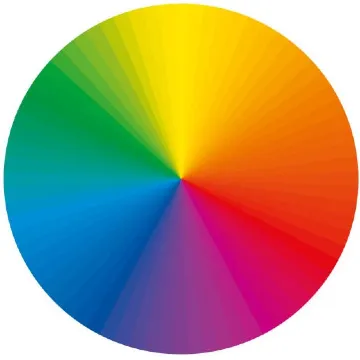
  • Get familiar with things like the color wheel, complementary colors, and emotions in different hues. Which will guide you to most of the decisions you will be making when it comes to grading.
Shoot Log or RAW
  • Store film footage in log or raw format for the highest flexibility when grading. These records an extended dynamic range and give you better control of colors and exposure during post-production.
Color Correct
  • Make sure that all of your footage has been color-corrected before doing any sort of grading.
  • Adjust white levels, and exposure, and remove any alteration.
Apply a Look or Style
  • Decide on the kind of mood you wish to create and apply a LUT or manual adjustments to get there.
  • Fine-tune your visuals using saturation, contrast, and temperature, among others.
Focus on Key Areas
  • Human skin tones, shadows, and highlights are the vital components in color grading that deserve further attention.
  • The most important is for skin tones to look natural for realism, and for shadows and highlights managed well for added depth.
Employ Scopes and Monitors
  • Using them, you can check things out on your monitors. Color will be made accurate and able to balance with waveform, histogram, and vectorscope.
  • While calibrated monitors are there to deliver similar results.
Iterate and Refine
  • Color grading is indeed creativity concisely but explicitly put. You need to experiment more with what you have done till it seems okay to you.

Top Color Grading Trends in 2025

  • Film Emulation: A nostalgic film-like visual is fast becoming the favorite aesthetic of many creators, who now either use LUTS or software to simulate classic film stocks for their footage.
  • Monochrome Grading: This trend is now coming back in poetic terms much-lauded black-and-white grading has much more subtle manipulation for contrast and textures.
  • Heavily saturated Bright Colors: The bold colors that capture attention are indigenously used for advertisement or social media purposes.
  • Minimalistic Grading: Subtle and real minimal grading is presently observed in documentaries and corporate videos, where their interests truly lie more in authenticity rather than heavyweight stylization.

Conclusion

Color grading is fast becoming a necessity for great stories. As we move toward 2025, technology and creative artistry have been paired to take forward what a good film could look and sound like. From a professional to starting fresh, every person will benefit from understanding the spectrum of colors and how to manipulate them into his or her work to appeal to the audience better.

With AI, HDR, and cloud collaboration software readily available to you, it’s never been easier to delve into color grading. So jump on in, try out a few things, and let your visuals shine with the magic of color!

Frequently Ask Questions

What would you say is the difference between color correction and color grading?

Color correction steals the limelight when correcting an alteration where the technical issues mainly depend on white balance adjustments and integrated exposure, while color grading is simply an attempt at developing a stylistic environment or a mood.

Would expensive software be necessary to carry out color grading?

Not really. There are great free software tools like DaVinci Resolve that offer features in the range of high-end applications; there is also a software package by Adobe, called Adobe Premiere Pro, that provides a complete spectrum of options for use during grading

What is a LUT in color grading?

A Look-Up Table (LUT) is merely a prefabricated color preset to which one can resort when dealing with applying particular looks to the footage produced

Can one perform color grading as a beginner?

Of course! Today, with contemporary speed-demon software technology, it is fairly easy for newbies to learn and implement techniques in color grading, especially when familiarizing with programs that harbor some ai-involved features

Why is color grading so important?

By relying on color grading, the entire narration can be enhanced with an ambiance of mood and flavor within the context and visual continuity, to further entrench content professionalism and sellability.

Breadcrumbs Meaning in 2025- The Complete Guide

Breadcrumbs Meaning in 2025- The Complete Guide

Breadcrumbs Meaning in 2025- The Complete Guide

Breadcrumbs are just as significant in web design and user experience (UX) for 2025 as they have always been. These tiny navigation components become more than just a design feature; they are a powerhouse for better usability, accessibility, and SEO performance. Let this blog take you through the definition of breadcrumbs in 2025, their different types, benefits, and best practices to improve website traffic and user engagement.

What are breadcrumbs in 2025?

Breadcrumbs are the links a user uses on a website to find his or her way in a site hierarchy. These are, in effect, the guide-strings that lead a user through an otherwise complex site with easy navigation.

In 2025, everything has changed, and included in the new technology are the dynamic personalized as well as the hands-free voice-integrated navigation systems meant for different people.

Types of breadcrumbs in 2025

Based on Location Breadcrumbs
  • Show the hierarchy of a website.
  • For example, Home > Category > Subcategory > Product.
Attribute-Based Breadcrumbs
  • E-commerce categorizes various filters or attributes during search queries.
  • Example: Home > Men’s Clothing > Shirts > Size: Medium > Color: Blue.
Path-Based Breadcrumbs
  • Show the pages visited by a user.
  • Example: Home > Blog > UX Design > Current Page.
Dynamic Breadcrumbs
  • Act upon the style of a user to provide a personalized navigation experience.

Importance of Breadcrumbs in 2025:

  1. Better User Experience
    Breadcrumbs have simplified the navigation process and made it easier to recall any previous content from multi-layered content-rich websites or related content by backtracking.
  2. SEO Advantages
    All search engines including Google prefer websites that have clear-cut navigation. It would enhance crawlability, reduce bounce rates, and increase CTR (click-through rates).
  3. Accessibility
    Accessibility is enhanced using breadcrumbs with structured navigation for users with disabilities. Such can be optimized using screen readers to reach the visually impaired.
  4. Mobile Usability
    With mobile-first design characterizing 2025, breadcrumbs are now also responsive-touch-friendly for seamless navigation on the smaller screen.

Best Practices for Breadcrumbs 2025.

Keep It Simple and Clear
  • Not cluttering, concise link labels should be used for breadcrumbs.
  • Breadcrumbs must complement the primary navigation, not replace it.
Schema Markup
  • Structured data (BreadcrumbList schema) provides breadcrumbs with visibility in the search engine.
Ensure they are clickable
  • Every breadcrumb should be able to be clicked so that the user can jump to a section.
Mobile and voice-optimized
  • Tagging breadcrumb pathways and adding voice search capabilities for thumb-friendly navigation.
Tests, Tests, and More Tests

Test usability on devices and browsers concerning how well breadcrumbs function.

Breadcrumbs on E-commerce Websites

E-commerce sites will be profitably navigable from product categories through filters as well as searches. Such as:

  • Location Breadcrumb: Home > Electronics > Smartphones.
  • Attribute Breadcrumb: Home > Electronics > Smartphones > Brand: Samsung > Price: $500-$1000.

Case Studies: The Success of Breadcrumb in 2025

  1. Amazon
    Dynamic breadcrumbs from Amazon allow the consumer to go back through search results or product categories to find the desired location, which contributes to increased user retention and decreased abandonment rates.
  2. Airbnb
    It is used for navigation between searching properties so that the user can easily go back to what they previously selected.
  3. Medium
    Medium uses path-based breadcrumbs and allows people to check out articles as well as topics related to one another more easily.

The Future of Breadcrumbs

By 2025, breadcrumbs, like everything else, will cease to be static. AI and augmented reality will influence how breadcrumbs function in the world to come. This is how the future looks:

Voice and Gesture Integration
  • Breadcrumbs will now even understand commands such as voice and gesture.
AR Breadcrumbs
  • Use breadcrumbs to guide users into augmenting virtual spaces while increasing their engagement in those hybrid digital and physical interactions.
AI-Powered Breadcrumbs
  • Dynamic alteration to the paths followed on the breadcrumbs according to the users’ preferences and reactions in the past from all of these algorithms set out by AI.

How Breadcrumbs Drive Traffic and Engagements

Breadcrumbs may work well to heighten the established click-through rates (CTRs) with a clearer and more logical site structure. Intuitive sites would entice users to go from one page to another instead of ending up being a dead end.

Example:
  • Scenario 1. A User has visited a product page before deciding that this isn’t a suitable item for them. Breadcrumbs lead to a parent category instead of exiting the site.
  • Scenario 2. A blog reader uses breadcrumbs to discover related content, increasing page views and engagement.

Conclusion Breadcrumbs in 2025

It will, indeed, remain a major element of keeping their life alive in web design: it is about user experience and technical SEO benefits.

No matter what type of online business you run-whether an e-commerce store, a writing-heavy blog or even a service-based website-it is sure imperative to have breadcrumbs in creating a truly seamless and engaging online experience.

Do you want to implement breadcrumbs? Start designing smarter routes of navigation in your site and watch your traffic grow.

Frequently Ask Questions

Breadcrumbs in web design in 2025?

Breadcrumbs are the links that tell a user where they are in the hierarchy of a site. They let the user retrace their paths and travel through nearby contents, which makes the navigation and user experience easier

Why are breadcrumbs necessary for websites in 2025?

Breadcrumbs improve navigation, enhance the usability of the sites while proving SEO with graces from bounce rates from the visitors, and complement the ease of use by both desktop users and mobile users.

Types of Breadcrumbs Used in 2025?

Location-Based Breadcrumbs- Show the Hierarchy of the site.
Attribute-Based Breadcrumbs- Highlight Filters or Categories Related to E-commerce.
Path-Based Breadcrumbs- Show how the user has traversed different pages.
Dynamic Breadcrumbs- Adapt Navigation According to Patterns that the User Beholds

How do breadcrumbs work for SEO in 2025?

Improve the crawlability of a site for search engines and increase click-throughs since navigation is visible in search results while decreasing bouncing rates by encouraging browsing

What are some best practices for breadcrumbs in 2025?

Short and clickable labels. Schema markup. Mobile and voice search-friendly breadcrumb design. Consistency throughout all pages. Ensure testing of functionality from time to time.

UX Form Design 2025: Trends and Innovations

UX Form Design, digitalanivipracticeb

UX Form Design 2025: Trends and Innovations

Forms are essential touchpoints in the digital user experience, the conduit between a user’s intent and action. Still, in 2025, UX form design will continue to evolve to improve accessibility, reduce friction, and encourage user engagement. Whether one considers e-commerce, onboarding, or data gathering, excellent UX form design must be relevant to the foundations of simplicity, usability, and innovation. Here is an exhaustive guide on modern UX form design trends and best practices.

1. Form Design to Evolve Further in 2025

Minimalism Meets Functionality
  • Modern users are all about efficiency and clarity. Forms that will be developed in 2025 will not have any superfluous clutter. Instead, they will feature clear labels, intuitive layouts, and one-step interaction. Minimalism means the individual will engage only in the input of information and will not have any distractions.
AI Integration
  • Artificial intelligence is fast becoming part and parcel of form design. The smart form would be one that could do auto-filling, predict needs, and personalize the questions to be answered or filled in real time based on data parameters. This will improve usability while shortening the time taken to complete.
Voice-Activated Input
  • Voice user interfaces (VUIs) are gaining popularity for their potential in UX form design. As virtual assistants assume lives of their own, forms are thus able to take in voice input from users on the go or with disabilities.

2. Core Features of UX Form Design in 2025

a. Accessibility

Accessibility is thus not something you compromise on in any design of a modern-day form. This includes the following:

  • English text readability through high contrast.
  • Compatible with a screen reader
  • Adaptive layouts to different devices.
  • Other input voice and gesture systems.
b. Micro-Interactions

Micro-interactions are feedback systems for what the user has done to make forms feel alive; for example: dynamic micro-interactions.

  • Validation of input fields in real-time.
  • Animations that are smooth enough while transitioning.
  • Success messages or some kind of subtle haptic feedback.
c. Personalization
  • Personalized forms are delivered according to user understanding by AI and machine learning.
  • Examples of these are pre-filled fields, dynamic questions based on behavior usage, and localized content.
d. Mobile-First Design
  • Mobile being the king when it comes to everything digital, forms are built for smaller screens.
  • Touch-friendly input fields, vertical lengths, and simple navigation are just some of the attributes that make the seamless transition into a mobile

3. Best practices for UX form design-

Keeping it Simple
  • Simplifying the form by only asking an individual what is essential; a detailed complex form may be divided into smaller sections progressive disclosure may also be used to display fields in small visibility.
b. Put Clear Labels with Directions
  • Descriptive labeling includes surrounding placeholders or clear placement with tooltips for further clarification next to the input space.
c. Usability before anything else
  • Wide, easily accessible spaces should be used.
  • Group fields of the same kind together.
  • Error messages should be clear, very specific, and simple to rectify.
d. Better Validation

In-the-moment validation reduces errors and frustration. Immediate feedback should be given on both invalid entries and an indication that misenter such invalid entries.

4. Innovations Changing the Shape of UX Form Design by 2025

AI-Powered Automation
  • Via AI, users will partly be relieved of their input tasks, as the system will predict and/or pre-populate fields using existing data.
  • E.g., the system knows which city, fills in the address, and even suggests possible responses.
Gamification
  • Progress bars, achievements, and rewards make filling forms fun, which then increases completion rates.
Biometric Authentication
  • Biometric inputs, such as fingerprints and faces, fast-track the processing of forms without compromising security for the system, especially for financial and healthcare applications.
Multimodal Interfaces
  • Forms can now work in conjunction with the voice, touch, and gestures for input, making them more user-preferred and almost suitable for any user application.

5. A few examples of UX form design excellence

a. E-commerce Checkouts
  • Auto-filled fields, one-click checkouts, and dynamic shipping options are all here in the e-commerce form, ensuring fast, frictionless transactions.
b. Onboarding Forms
  • Users are guided step-by-step through either account creation or product setup using Conversational UI for onboarding forms.
c. Survey Forms
  • The surveys and the survey forms created are user-interactive and involve technology such as micro-interactions, conditional logic, and visuals, to amuse users with the surveys.

6. Metrics to be considered for measuring the efficacy of forms

Tools for UX form design in 2025:
  • Figma: For prototyping and designing adaptive forms.
  • Typeform: For building conversational experience forms with a focus on the user.
  • Webflow: For responsive and interactive web forms.
  • Zoho Forms: This is for AI-powered data collection as well as analysis.

Conclusion:

The UX form design in 2025 will not only stop at aesthetics but also look at how functional, personalized, and inclusive a form can get. Designers should take the initiative by understanding the trends and best practices to bring forms that have great looks and a seamless user experience. Whether you are a UX designer working for a company or a business owner, modern design in forms will translate into better engagement and conversion.

Frequently Ask Questions


What new roles will UX form design play in 2025?

Accessibility, AI-based automation, and dynamic micro-interactions form the basics of UX forms in 2025. Voice inputs, adaptive layouts for different devices, and gamified experiences would certainly top the enhanced user experience


How can accessibility be integrated into UX designs?

High-contrast text, screen-reader compatibility, clear error messages, and compatibility for various input modes (such as voice and touch) would make UX forms more accessible. These features enable people of all abilities to use the application


In 2025, which are the famous tools to create UX forms?

Current tools include Figma for wireframes and prototypes, Typeform for conversational forms, Webflow for live interactive websites, and those powered with AI, like Zoho Forms for even more advanced automation and analytics.


How can micro-interactions extend the form design?

Micro-interactions are all about providing real-time feedback that indicates an action taken by the user, such as a completed input field, animated transitions, and a success notification message, resulting in improved engagement and user-friendliness of forms


Why will UX forms be mobile-first in 2025?

The small screen, touch-friendly component design, simple cutout, and vertical alignment must become thoroughly effective to get seamless experiences using all devices because mobile devices are leading the game in usage

2025: AI-Driven Color Grading in Video

2025: AI-Driven Color Grading in Video, digitalanivipracticeb

2025: AI-Driven Color Grading in Video

In 2025, video production and filmmaking are in an earthquake. AI-powered color grading is going to be perhaps the most revolutionary technology making this seismic shift in the landscape. For decades now, color grading has been integral to visual storytelling, creating atmospheres, moods, and aesthetics for videos and films. With artificial intelligence (AI), however, color grading has moved from slow, tedious, and uncreative to quick, intelligent, and artistic labor.

Whether filmmakers, content creators, or video editors, the new AI-driven tools will speed their entries toward achieving studio-quality results quite easily. This blog dives deep into the realm of AI color grading, including the advantages it brings along and why it has emerged as a game-changer in the year 2025.

What Exactly is Color Grading?

The process of increasing and modifying the colors of a video or image to create a certain target mood or look is called color grading. It goes away from mere color-correcting (which balances exposure and white balance) by giving the content a unique visual style.

In the old days, doing this process took hours of work and a very high caliber of skill. Colorists would spend hours altering tones, shadows, and highlights in high-end software such as DaVinci Resolve or Adobe Premiere Pro. But most parts of this process have been automated by AI-powered color grading tools, whose creativity leaves greater freedom.

What Defines AI-Powered Color Grading?

AI-powered color grading refers to the technology that incorporates machine learning algorithms and neural networks. To analyze the footage, understand what forms its composition, and automatically apply very high-end color grading. These tools learn from broad datasets of professionally graded films and videos, and may therefore replicate or even innovate unique styles.

Some of the possible outputs from AI coloring systems include the following:
  • Detects what mood or theme the scene is communicating; e.g. dramatic, romantic, eerie, and adjusts the colors accordingly.
  • Matches the color degree of one clip or video among others, ensuring consistency, or
  • Suggests creatively-grade options based on current trends or genres within a certain form of cinematography.
  • Save hours of manual work while delivering high-quality results.
How AI color grading works
  • Analysis of the scene: AI analyzes the scene to identify lighting, color palette, skin tones, and some key details in the frame.
  • Style selection: Users could select from an array of styles, such as “cinematic”, “vintage”, “and natural”, or even replicate the style of their favorite movies.
  • Application: Immediately, AI applies the selected style by automatically manipulating highlight, shadow, mid-tone, and saturation levels.
  • Fine-tuning: AI takes most of the load off editors, who may just want to make tiny manual tweaks in certain places.

The Key Benefits of Artificial Intelligence-Based Color Grading

Time Savings
  • Most traditional color grading is lengthy, particularly for feature films or long-form video material content. AI consumes hours of footage within minutes, allowing an editor to not have to think about technical adjustments, only the story.
Consistency Across Footage
  • AI ensures that every shot in your video is under the same color grade, even if it was shot at different shoots using different lighting conditions. This level of accuracy eliminates those jarring transitions that sometimes occur in manually graded projects.
Accessibility for Beginners
  • What was once only for experienced practitioners. By 2025, AI tools will make all of these available to creators who may only have coincidentally developed some rather limited technical skills.
Cost Savings
  • Using Colorist software was highly expensive in the past. AI color grading tools offer a cheaper option without reducing the quality standard.
Creative Spontaneity
  • Are you going to lose creativity to artificial intelligence? Of course not. Editors can experiment with different styles, moods, and tones without spending long hours adjusting them manually.

Top AI-Based Color Grading Tools in 2025

  • DaVinci Resolve AI: With the full industry standard grading features, DaVinci Resolve’s AI functionalities include auto-matching and style replication along with very impressive scene detection features.
  • Adobe Premiere Pro Sensei AI: Adobe gives color-matching across clips seamless-grade suggestions through intuitive grading provided by this particular artificial intelligence engine.
  • Color.io: A cloud AI platform that simplifies grading whether a newbie or an expert at it.
  • Luminar Neo: Quite a renowned application for photographers and cinematographers, which relies on AI for automatic colors and tone enhancement.
  • Runway ML: A modern creative-friendly AI tool complete with preset and customizable machine learning color grades.
AI Color Grading in Various Industries
Films and Television
  • Cinematronics uses AI to replicate old directors or to reproduce original identity visuals. The valuable aspect of AI is that indie filmmakers can set this higher standard of imagining while being cash-strapped.
Marketing and Advertising
  • Commercials get this outstanding pleasure with an application involving AI power for color grading. It is used by brands to bring in aesthetically unified campaigns.
Social Media Content
  • Because it is in the TikTok and Instagram Reels era. Where whatever is subjecting to creation becomes very speedily demanded great color-changing. AI does this to help not just set creators apart from typical production houses. But do so very much with polished and rather eye-catching images.
Weddings and Events
  • Event videographers are adopting AI to create timeless and elegant appearances in their video offerings while saving time.

Challenges and Limitations of AI Color Grading

  • Over-Reliance on Automation: AI is indeed good, and sometimes it cannot replicate a human’s nuanced touch. For that reason, some projects still have to be arranged on a manual basis before reaching the desired results.
  • Learning How to Use New Tools: Although they have a user-friendly interface. Beginners at using AI-based workflows will probably spend time learning the functions of new tools in reality.
  • Limited Customization in Some Tools: Some AI tools were very restrictive making it hard for advanced users to achieve very specific results.
Future Trends in AI Color Grading (Beyond 2025)
  • Real-Time Grading During Filming: AI tools, in the future, will enable the director to see a color-graded preview of the set for better creative decisions.
  • Integration with AR/VR: AI color grading will reach immersive media space such that it will adjust visuals for an augmented or virtual reality environment.
  • AI Learning from User Preferences: Making the tools smarter by teaching tools their individual user preferences to give highly personalized results.
  • Voice-Controlled Grading. Just picture telling your software: “Make this scene look warmer,” and happening to see the scene turned warm right in front of your eyes.
How to Begin With AI Color Grading

So you want to live in the age of technology when video editing is concerned. Preparing for Entry into AI Color Grading:

  • Picking the Suitable Tool: Go through the AI-based tools mentioned earlier and find one that can fulfill your needs and budget.
  • Getting to Know the Basics: That aspect of the color grading principle or two will help take maximum advantage of AI tools.
  • Experiment: Do not hesitate to try different styles and settings. AI makes this exploration of new creative pathways easy.
  • Stay Updated: Industry trends will keep you in the loop, leaving you ready to deal with the latest innovations in AI.

Conclusion

AI-powered color grading is changing the entire complexion of video editing and visual storytelling by 2025. A marriage of speed, accuracy, and flexibility, this is a toolbox that makes achieving incredible visuals as effortless as possible for any cinephile, whether amateur or professional. From filmmaker to content creator to marketer. It suffices to say that the adoption of these tools is essential in keeping up with the fast pace of change in videography today. 2025: AI-Driven Color Grading in Video

It has become very clear that in the future, AI will no longer be seen as just a tool. But a creative partner in changing the way stories are narrated on screen. 2025: AI-Driven Color Grading in Video

Frequently Ask Questions

What It’s All About with AI-enabled Color Grading?

Essentially, AI-enabled color graters employ artificial intelligence and machine learning technologies to automatically tweak, improve, and alter the colors of a video or image. This most of the time comes along with minimal effort on the user’s part. Since it analyzes the footage, recognizes its mood or tone, and provides color adjustments worthy of professionals.

How does one use color grading using AI?

Using its image to analyze lighting, color tones, and the nature of the shot, AI studies an image and its components as visual input. Then these types of analyses grant the tool to self-grade an image or match colors to a scene by having a common grading style between images. Presetting styles or refinement users can select

What are the pros of AI color grading?

Increased speed: It can make adjustment, which would require a human several hours or days of work, finished in minutes by an AI.
Uniformity: all identical footage will have the same color blends.
The novice can achieve a professional export standard.
Cost-effective: It saves on expensive software as well as from hiring colorists

Is there any possibility of AI to replace professional colorists?

Not absolutely. While AI can easily handle basic and midlevel tasks for professional colorists, customized and proverbial slicing treatment still needs expert hand intervention.

Informative Poster Design Trends for 2025

Informative Poster Design, digitalanivipracticeb

Informative Poster Design Trends for 2025

Posters have always earmarked visual communication; in 2025. These will evolve continuously with much under the emerging trends, equipment, and techniques. Poster design is now more focused on audience engagement, be it for marketing, events, or awareness campaigns- creatively, functionally, and relevantly, poster design in 2025 admissions would be all about the following key elements in poster design:

Typography: A Modern Take on Communication.

An Innovative Communication Approach It plays both these roles in poster designing: communicating the message and setting the tone. Adaptive typography is what designers use; it’s the kind that can adjust itself according to the different sizes and media-readable ranging from digital to print. The following are among the most important features.

  • Variable Fonts: You can also vary weight and width, which makes design possible.
  • Bold Minimalism: Clean and bold fonts assure true understanding most especially in headlines.
  • Experimental Fonts: Nontraditional typefaces give spice and drama that together, the brand.
Colors and Gradients:

Where Excitement Meets Class These things, among others, make color a vital ingredient in stirring up emotion and capturing attention. As usual, in terms of color experimentation and the like, here are what designers may try in 2025: Informative Poster Design Elements for 2025: Significant Trends and Practices

  • Gradients and Duotones: Gradients and Duotones for richness and depth in color transitions.
  • Earthy Colors: These demonstrate trends in eco-friendliness between colors and very muted tones.
  • Adapting color systems: Colors that somehow adjust on the fly: dark and light modes of digital posters, for example.
Imagery and Visuals:

Immersive Experiences The Most important in engaging the audience is content in the visual form. Current trends related to such include:

  • 3D graphics: The nano-file makes the poster come to life, especially when looking after the techie or the one in the gaming industry.
  • AI-Generated Picture: Using AI to create custom and one-of-a-kind images saves a ton of time and turns up the creative juices.
  • Photographic Collages: Photographic combining and illustration give a complete, layered look and feel of artistry.
Arrangement and Composition:

The Balance of the Beautiful and the Useful The way elements are arranged dictates how the poster will be read by the viewer. Some of the strategies from top heavy to the light end in 2025 are:

  • Asymmetrical layouts: Dynamic and less rigid structures, thus drawing attention and breaking monotony.
  • The Golden Ratio: This is an eternal technique for creating balanced harmonious designs.
  • White Spaces: The strategic negative space gives prominence to the important content making it better to read.
5. Motion Design and Interactivity

Motion posters are the ones that give the trend for animation and interactivity:

  • Micro-Animation: subtle effects such as hovering and scroll-triggered animations added interactivity.
  • Interactive QR Codes: Embedded codes that can be scanned in direct access to websites or videos.
  • Kinetic Typography: Moving words are really attractive and serve as an update on creative posters.
6. Branding and Identity Integration

Coherence with branding identity is important. Many posters in 2025 will probably incorporate:

  • Logos and Brand Color Schemes: To ensure easy recognition and cohesion across campaigns.
  • Unique Illustrations: individualized artwork that resonates closely with the values of the brand.
  • Personalization: AI tools would permit personalization in the designs of specific audience segments.
7. Access and Inclusion

Poster Design 2025 prioritizes inclusiveness so that content is consumable by different audiences:

  • High Contrast: Improves visibility for people with visual impairments.
  • Clear Hierarchy: Highlights the very important information.
  • Alt-text Integration: digital poster screen readers describe what is on the page.
8. Tools and Technology:

The Future of Design Those will be the latest tools for poster designers in 2025:

  • Figma and Adobe XD: For collaborative and scalable designing.
  • Canva Pro: One of the tools most suitable for beginners yet with a lot of professional features.
  • Blender: Incorporating 3D graphics into designs.
  • Adobe Illustrator: Most effective for exhaustive detail vector illustrations and logo embedding
  • Procreate: Perfect for creating customized illustrations, especially on ipads.

Practical Applications

  • Event Promotion: Bright typography and eye-catching gradients free music festivals or conferences.
  • Brand Marketing: 3D images and dynamic layouts for a product.
  • Social Causes: Eco-friendly colors and impactful imagery for awareness campaigns.

Quick Tips

  • Start with Templates: Use platforms like Canva to explore professional layouts.
  • Focus on Hierarchy: Make bold headlines, easy to spot.
  • Optimize for Both Print and Digital: Test out different resolutions to make sure your design works on different platforms.

Conclusion

Poster design in 2025 combines creativity and technology all geared towards user and innovation engagement. Capture all these, and you have the recipe for a creative design that can interest audiences through practically any medium. Whether for print or digital usage, posters will always remain some of the most impressive channels through which telling and selling can be accomplished.

frequently ask Questions

Which intriguing trends are anticipated to be registered with poster design in the year 2025?

In poster design in the year 2025, vibrant gradients, 3D elements, AI-created image effects, motion graphics, and nature-friendly themes will be of paramount importance. Adjunctively trending would be the minimalist layouts with bold typography and adaptive color palettes engaged to speak to a myriad audience

Why does typography matter in poster design?

The major function of typography in defining a tone is to communicate the poster’s message. Variable fonts, bold minimalistic typefaces, and an experimental approach in 2025 would probably set up catchy visuals that match brand context and identity

What is the contribution of 3D elements to poster design?

3D graphics provide depth and realism, thus dynamic forms of a poster, engaging the reader. In 2025, using lightweight tools and software advances, embedding these elements becomes easier, particularly for industries such as tech, gaming, and advertisement

What does the access part of the poster design refer to?

For instance, accessibility guarantees that all audiences at every level have access to the poster. Posters in 2025 are focused on contrast ratios, text hierarchy, and descriptive text for all digital posters, ensuring access to all people, including those with disabilities

What are some of the best tools for designing posters in 2025?

Top tools include Figma for collaboration, Adobe Illustrator for vector art, Canva Pro for easy template design, and Blender for 3D design. Other interesting gaining attention would be the AI-design platforms such as Runway ML

Optimized with PageSpeed Ninja